
How Modern Living Lifestyle Changes Home Tech Choices
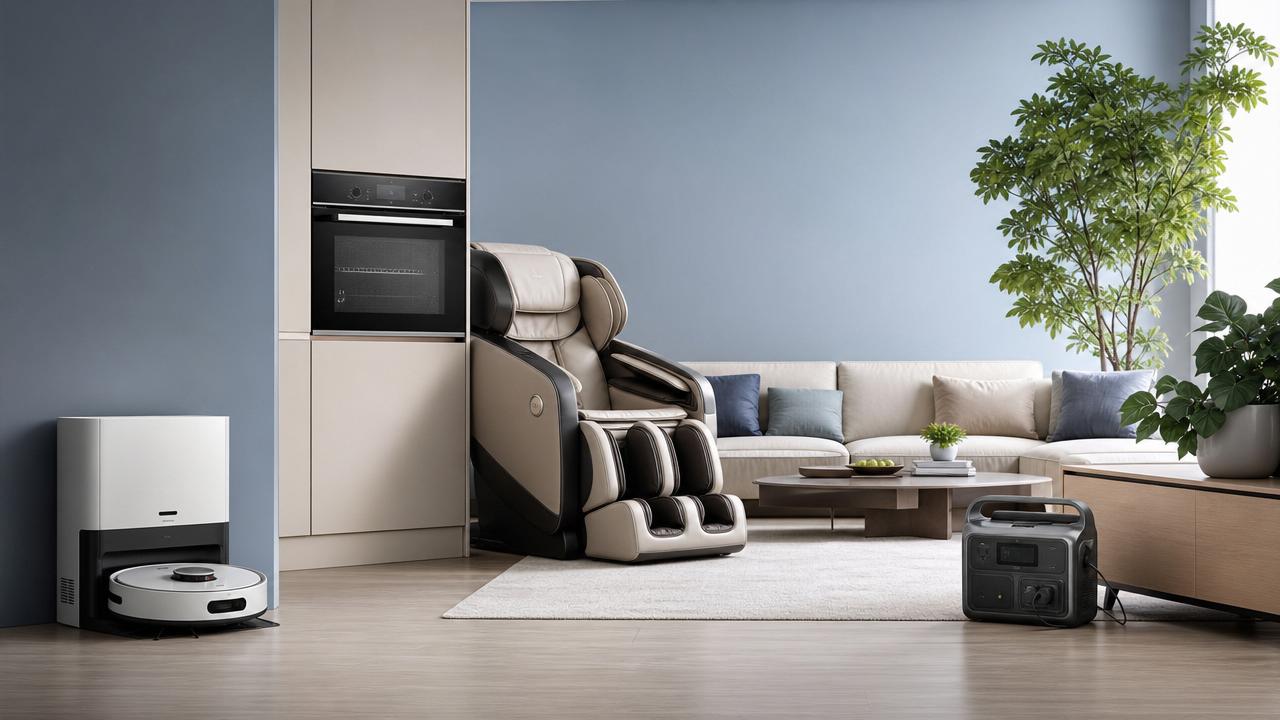
The modern living lifestyle is reshaping how people evaluate home technology, from AI-powered cleaning robots and precision cooking systems to health-focused massage chairs, E-bikes, and outdoor power gear.
For information researchers, these choices reveal more than product trends; they reflect deeper shifts in convenience, wellness, mobility, sustainability, and connected daily experiences.
As consumers demand smarter chores, healthier routines, and seamless escapes beyond the home, understanding these lifestyle-driven decisions helps decode the future of consumer smart hardware.
Why lifestyle now drives home technology decisions
The central search intent behind modern living lifestyle is not curiosity about gadgets alone. Researchers want to understand why households are buying differently.
The answer is that home technology has moved from optional convenience to lifestyle infrastructure. It now supports time management, health, mobility, and identity.
Consumers no longer ask whether a device is technically impressive. They ask whether it reduces friction in daily routines and fits their living patterns.
This shift explains why robot vacuums, smart ovens, E-bikes, massage chairs, and portable power stations increasingly appear in the same research conversation.
They solve different problems, yet all respond to a shared demand: make modern life easier without making it feel less personal.
For analysts, the most useful lens is behavior first, technology second. Lifestyle change creates demand, while engineering determines which products win trust.
The biggest lifestyle forces shaping consumer choices
Several lifestyle forces now influence home tech purchasing more strongly than traditional specifications. The first is time scarcity among urban professionals and families.
When people feel over-scheduled, they value automation that removes repeated chores. This helps explain the rapid adoption of self-emptying robot vacuum systems.
The second force is health consciousness. Consumers increasingly connect home devices with sleep recovery, posture relief, nutrition, and stress reduction.
Massage chairs, air fryers, smart kitchen systems, and ergonomic appliances gain relevance because they promise healthier routines without complicated behavior change.
The third force is smaller living spaces. Urban apartments require compact, multifunctional, low-noise, and visually acceptable devices that do not dominate interiors.
The fourth force is flexible work. Hybrid workers spend more hours at home, making comfort, cleanliness, indoor air, food quality, and recovery more important.
The fifth force is outdoor escape. Consumers want technology that supports camping, commuting, and weekend mobility without abandoning modern energy access.
Smart cleaning: from chore removal to lifestyle automation
Smart cleaning appliances show the clearest link between lifestyle pressure and technology adoption. Cleaning is frequent, repetitive, and emotionally unrewarding for most households.
Older robotic vacuums were interesting but unreliable. Modern buyers now expect LiDAR mapping, AI obstacle recognition, auto-emptying docks, and mop washing.
The lifestyle value is not simply a cleaner floor. It is the feeling that one background task has disappeared from daily attention.
Pet owners, parents, and busy professionals are especially sensitive to this benefit. They judge products by avoidance accuracy and maintenance burden.
For researchers, this category proves that smart homes succeed when automation extends beyond remote control. True adoption begins when human intervention falls sharply.
Brands that communicate fewer daily touchpoints often resonate better than brands that only promote suction power, sensor counts, or algorithm complexity.
Kitchen technology: why convenience must still feel like skill
Modern living lifestyle has changed kitchen expectations in a subtle way. Consumers want faster cooking, but they still want quality and personal satisfaction.
This is why air fryers, smart ovens, precision cookers, and semi-automatic espresso machines remain popular across different income groups and regions.
The strongest products reduce technical failure. They help users achieve crisp textures, stable temperatures, balanced extraction, or repeatable recipes with minimal expertise.
However, kitchen technology cannot feel like it removes all craft. Many consumers still want the emotional reward of preparing something well.
Successful systems therefore combine guidance with control. They offer preset intelligence, but leave enough interaction to preserve a sense of ownership.
For information researchers, the kitchen category highlights a key rule: automation should protect outcomes while respecting user pride and ritual.
Wellness devices: the home becomes a recovery environment
Home wellness technology has expanded because fatigue is now a mainstream consumer pain point. Long screen hours create demand for accessible recovery tools.
High-end massage chairs are no longer marketed only as luxury furniture. They are positioned as mechanical physiotherapists for workers, parents, and older adults.
Features such as 4D massage mechanisms, body scanning, heat therapy, airbags, and zero-gravity positioning matter because they translate into perceived relief.
The purchase logic is emotional and practical. Consumers compare the device with spa visits, physical therapy appointments, and daily stress accumulation.
Trust is especially important in wellness categories. Buyers need evidence of ergonomic design, safety, durability, and realistic claims rather than exaggerated medical promises.
Researchers should treat wellness hardware as a convergence of comfort, health aspiration, and preventive self-care, not merely as another appliance segment.
Micro-mobility and outdoor gear extend the smart home boundary
The modern home is no longer defined only by walls. Lifestyle technology now follows consumers into streets, campsites, trails, and temporary workspaces.
E-bikes and scooters answer several pressures at once: urban congestion, rising transport costs, environmental awareness, and the desire for effortless movement.
Consumers care about range, motor feel, torque sensing, battery safety, theft protection, and whether the vehicle fits commuting or recreation.
Outdoor power stations, tunnel tents, titanium stoves, and survival gear answer another modern desire: escape without losing reliability, comfort, or connectivity.
This is why glamping and high-end outdoor systems have grown alongside smart appliances. Both reflect controlled freedom rather than pure minimalism.
For researchers, these categories show that lifestyle technology is becoming portable. The expectation of power, safety, and intelligence travels with the user.
What consumers actually evaluate before buying
Information researchers should look beyond feature lists and examine the decision criteria consumers actually apply. These criteria explain adoption and abandonment patterns.
The first criterion is effort reduction. Consumers ask how much setup, maintenance, cleaning, charging, or troubleshooting the product adds after purchase.
The second criterion is reliability in messy real life. Homes include pets, carpets, stairs, children, uneven floors, limited counters, and unstable Wi-Fi.
The third criterion is space compatibility. A device may be advanced, but it will fail if it is too loud, bulky, ugly, or intrusive.
The fourth criterion is safety. Battery-powered products require credible protections, certifications, thermal management, and transparent guidance for storage and charging.
The fifth criterion is ecosystem fit. Consumers increasingly consider app quality, firmware updates, accessories, replacement parts, customer support, and warranty experience.
The final criterion is emotional payoff. Products must make users feel calmer, healthier, more capable, or more in control of daily life.
Why specifications alone no longer predict market success
Many hardware categories have entered a stage where core specifications are becoming similar. Competing only on power, capacity, or speed is less persuasive.
A robot vacuum with stronger suction may still lose if its dock is messy, its app confusing, or its obstacle avoidance unreliable.
An E-bike with impressive range may disappoint if the ride feel is jerky, the frame is awkward, or local regulations are unclear.
A massage chair may include many programs, yet fail if body scanning is inaccurate or the pressure feels mechanical rather than adaptive.
This is where human-centered engineering becomes decisive. Algorithms, motors, batteries, controls, and ergonomics must combine into a seamless lived experience.
For CSOS-style analysis, the most valuable question is not “what feature exists,” but “what repeated pain does this feature remove?”
The role of sustainability and compliance in modern choices
Sustainability is no longer a separate ethical discussion. It increasingly influences purchase confidence, especially among younger consumers and regulated markets.
Energy efficiency, repairability, battery lifecycle, packaging, and component durability affect whether consumers view a product as responsible or disposable.
Compliance is equally important for global brands. Lithium battery safety, UL and CE standards, and transport rules can determine market access.
For E-bikes, scooters, and portable power stations, safety is part of the product value proposition. It cannot remain hidden in technical documentation.
Researchers should watch how brands communicate certifications. Clear, plain-language safety explanations often build more trust than vague claims about premium engineering.
In the modern living lifestyle, consumers want innovation, but they also want reassurance that convenience will not create hidden risk.
How DTC brands can respond to lifestyle-driven demand
Direct-to-consumer hardware brands benefit from lifestyle change because they can explain use cases faster than traditional retail channels often do.
Instead of selling isolated features, DTC brands can build narratives around pet households, compact apartments, hybrid workers, commuters, campers, or wellness seekers.
This approach helps consumers self-identify. A buyer understands not only what the product does, but why it fits their specific routine.
Content strategy matters here. Product pages, comparison articles, videos, and reviews should demonstrate realistic scenarios rather than laboratory perfection.
Overseas warehouses, flexible supply chains, and localized service also influence trust. Lifestyle products are expected to work quickly and be supported reliably.
The strongest DTC brands connect algorithmic capability, industrial design, and after-sales experience into one promise: less friction in modern daily life.
What information researchers should track next
Researchers examining modern living lifestyle trends should track signals that reveal durable behavior change rather than short-lived gadget enthusiasm.
One signal is maintenance frequency. Products that reduce weekly user effort often create stronger retention and word-of-mouth than products with flashy features.
Another signal is household integration. The more naturally a device fits routines, spaces, and emotional expectations, the stronger its long-term position.
A third signal is regulatory pressure. Emission policies, battery standards, and energy rules can accelerate or constrain entire categories.
A fourth signal is cross-category convergence. Cleaning, cooking, wellness, mobility, and outdoor systems increasingly share software, battery, sensor, and service logic.
A final signal is user education. Complex hardware succeeds when brands make advanced technology understandable without forcing consumers to become engineers.
Conclusion: home technology follows the shape of modern life
The modern living lifestyle changes home tech choices because consumers are not buying devices in isolation. They are redesigning daily experience.
Smart cleaning removes background chores, kitchen systems protect quality, wellness devices support recovery, and mobility gear extends independence beyond the home.
The winning products are not always those with the loudest specifications. They are those that translate engineering into visible relief, confidence, and control.
For information researchers, this means the future of consumer smart hardware should be read through lifestyle needs, not product categories alone.
As homes become smarter and more portable, the most important innovation will be technology that quietly supports how people actually want to live.