
How culinary tech innovations are changing weeknight cooking
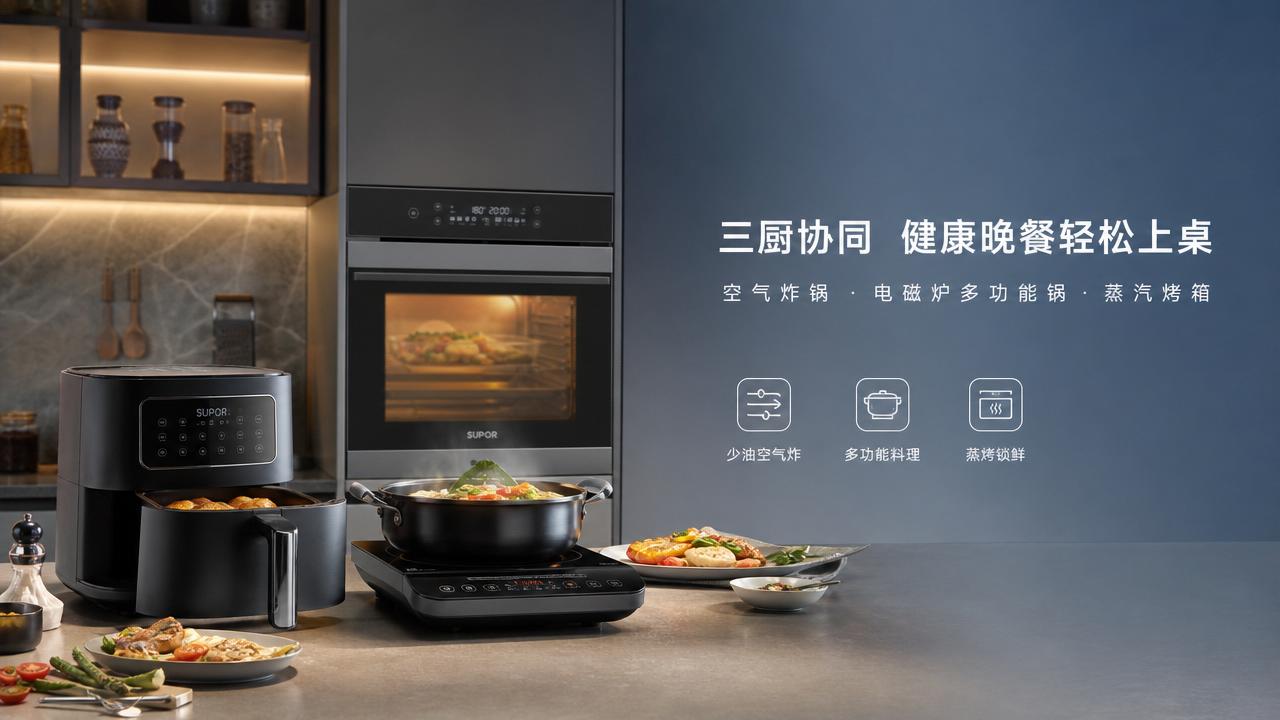
Weeknight meals are no longer defined by rushed prep and uneven outcomes. Culinary tech innovations now bring speed, precision, and confidence into everyday kitchens.
From smart air fryers to connected espresso systems, these tools reduce guesswork, improve consistency, and support healthier cooking habits without adding complexity.
For households balancing work, wellness, and convenience, culinary tech innovations are changing weeknight cooking into something faster, cleaner, and closer to professional results.
What are culinary tech innovations, and why do they matter on busy weeknights?
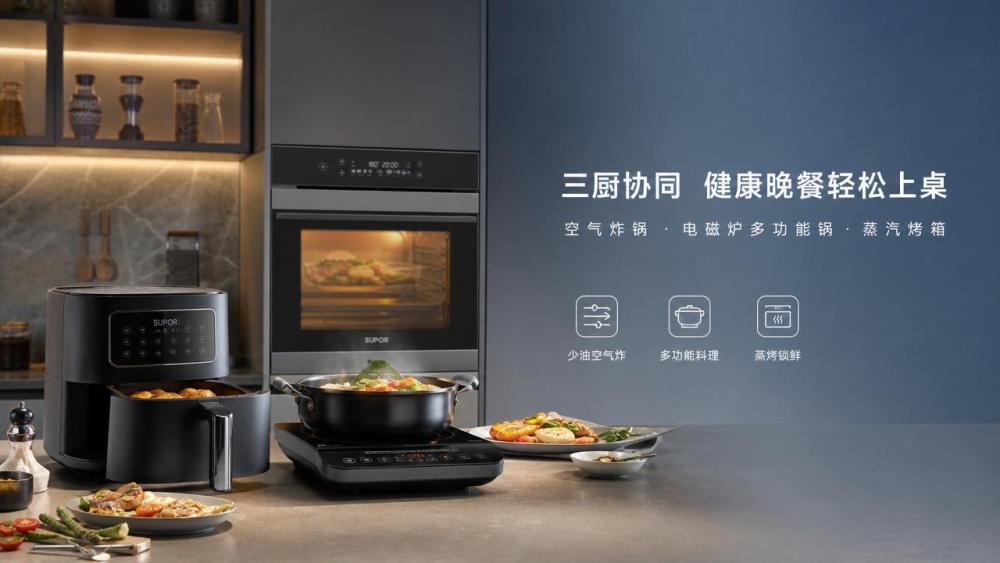
Culinary tech innovations are appliance and system upgrades that improve how food is prepared, heated, monitored, and finished at home.
They often combine micro-temperature control, faster airflow, pressure management, sensors, and guided cooking software into compact consumer products.
For weeknight cooking, that matters because time is limited and energy is low. People want meals that are fast, repeatable, and less stressful.
Older kitchen tools relied heavily on manual timing and instinct. Newer systems help automate those decisions without removing creativity from cooking.
A smart oven can preheat efficiently. An air fryer can crisp food using rapid circulation. A precision cooker can hold exact temperatures for reliable texture.
These changes align with broader smart living trends. Consumers increasingly expect home devices to save labor, improve outcomes, and fit into connected routines.
How are culinary tech innovations making everyday meals faster and more consistent?
Speed comes from better heat transfer, smarter presets, and reduced preparation steps. Consistency comes from sensors, algorithms, and stable control systems.
Air fryers are a strong example. Their compact chamber and high-speed hot air circulation shorten cooking time while keeping surfaces crisp.
Induction cooktops also help. They respond quickly to power changes, making simmering, searing, and boiling more predictable than many traditional ranges.
Smart multicookers simplify one-pot meals. Presets for rice, soup, beans, and braising reduce monitoring and support repeatable results after long workdays.
Precision espresso machines show the same principle. Stable pressure and temperature help produce balanced extraction instead of random, uneven shots.
For weeknight dinners, the impact is practical:
- Less waiting for preheat and recovery
- Fewer cooking mistakes from distraction
- Easier batch cooking and leftovers planning
- More reliable textures across proteins and vegetables
Culinary tech innovations are not only about speed. They also reduce cognitive load, which can be just as valuable during busy evenings.
Which kitchen technologies are most useful for healthier and easier weeknight cooking?
Not every advanced appliance changes daily cooking in meaningful ways. The best solutions solve common pain points directly.
Air fryers remain highly practical because they deliver crisp textures with less oil. That supports lighter meals without sacrificing satisfaction.
Steam-assisted ovens are useful for vegetables, fish, and reheating. They help preserve moisture, reduce dryness, and improve leftovers quality.
Smart blenders and soup makers simplify nutrient-dense meals. Built-in programs control texture and heat, allowing quick sauces, smoothies, and soups.
Connected scales and recipe apps help with portioning and meal planning. They are especially useful for users tracking nutrition or reducing food waste.
Probe thermometers with app alerts improve protein accuracy. They prevent overcooking and support safer preparation of chicken, seafood, and larger cuts.
The most effective culinary tech innovations often share three traits:
- They save time every week, not just occasionally.
- They improve outcomes that are hard to achieve manually.
- They fit naturally into existing kitchen habits.
How should you compare devices when choosing culinary tech innovations for home use?
Selection should start with routine, not marketing. A small household cooking quick dinners needs different tools than a family preparing larger meals.
Look first at heating performance. Fast claims mean little if temperature control is uneven or presets are poorly calibrated.
Then review usability. A clear interface, easy cleaning, and practical capacity often matter more than an oversized list of niche functions.
Connectivity can be helpful, but only if it solves real problems. Remote monitoring and recipe guidance are valuable. Unnecessary notifications are not.
Material quality also matters. Baskets, seals, pumps, and coatings affect durability, food contact safety, and long-term maintenance.
Use this comparison table to evaluate common options:
What mistakes do people make when adopting culinary tech innovations?
One common mistake is buying for novelty instead of routine value. A flashy device may impress initially but sit unused after a few weeks.
Another mistake is overtrusting presets. Even strong culinary tech innovations need adjustments for portion size, ingredients, and personal texture preferences.
Ignoring cleaning needs is also costly. If maintenance is annoying, usage drops quickly, especially on weeknights when time is limited.
Some users assume smart features always equal better performance. In reality, core engineering still matters more than app design.
There is also a space problem. Multiple single-function machines can clutter countertops and make meal prep less efficient.
To avoid regret, ask these questions before purchasing:
- Will this appliance be used at least twice a week?
- Does it solve a specific cooking frustration?
- Can it be cleaned quickly after dinner?
- Does it improve results enough to justify space and cost?
Are culinary tech innovations worth the cost, and what should you expect next?
Value depends on frequency of use and outcome improvement. A well-chosen appliance can save time weekly and reduce takeout dependence.
That makes the return practical rather than abstract. Better cooking at home often supports budget control, healthier habits, and less food waste.
The strongest products sit at the intersection of hardware and software. They combine reliable mechanics with guidance that feels useful, not intrusive.
This is where the broader smart living sector is heading. Precision controls, compact motors, sensors, and intuitive human-machine interaction are merging across categories.
For kitchen systems, the next wave will likely include better food recognition, adaptive cooking curves, and more efficient energy management.
That future fits the larger consumer technology landscape: less friction, more personalization, and stronger performance through intelligent design.
Quick FAQ: common questions about culinary tech innovations
Culinary tech innovations are changing weeknight cooking by making meals faster, more reliable, and easier to manage after long days.
The smartest next step is simple: identify one recurring dinner problem, then choose technology that solves it clearly and consistently.
When selected well, culinary tech innovations do more than add features. They turn everyday cooking into a smoother part of modern living.
Related News
- How Air Fryer Temperature Control Works: Sensors, Feedback, and HeatExplore temperature control cooking systems in air fryers. Discover how sensors, feedback, and airflow manage heat—and what to compare for more consistent cooking results.Time : Oct 19, 2026
- Which Air Fryer Specifications Matter Most for Private Label Sourcing?What air fryer specifications matter most for private label sourcing? Explore heating, temperature control, materials, compliance, and factory QC to source a safer, standout product.Time : Sep 25, 2026
- How to Vet an Air Fryer Manufacturer for Quality, Capacity, and ComplianceAir fryers manufacturer vetting guide: assess quality, usable capacity, production controls, certifications, and compliance to source reliable products with confidence.Time : Sep 21, 2026