
Why consumer robotics is moving beyond simple cleaning
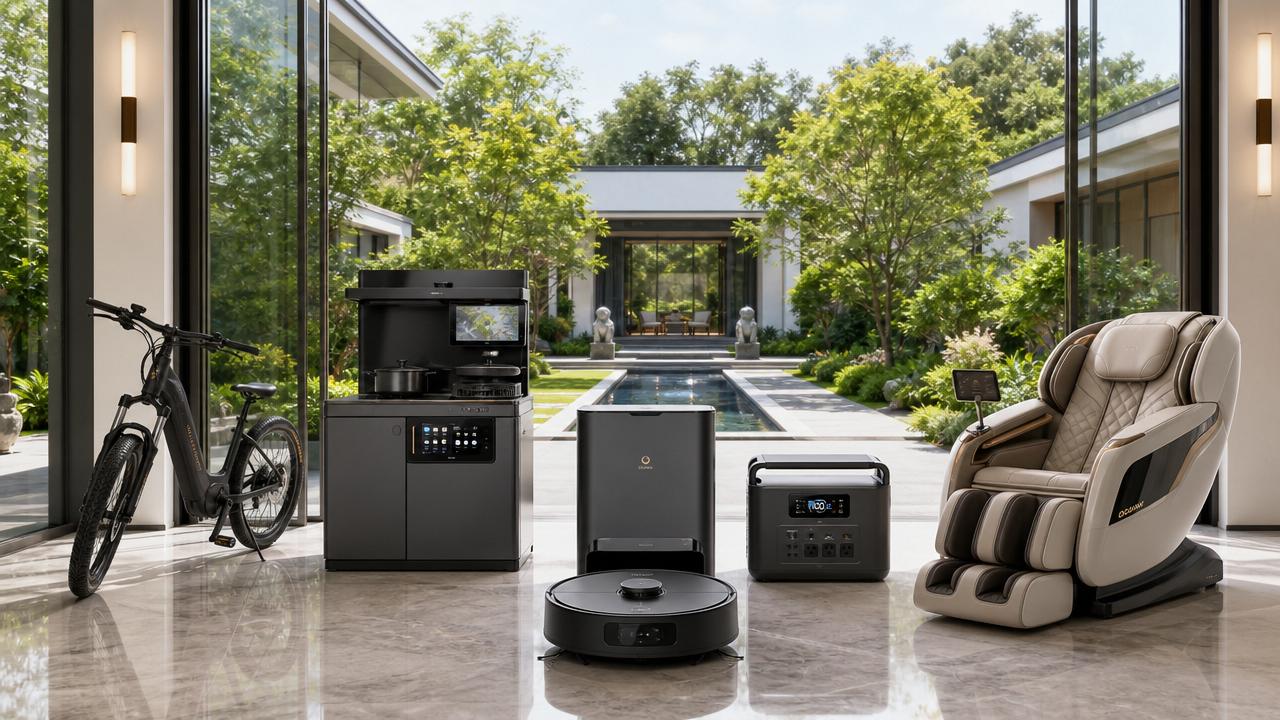
Consumer robotics is expanding far beyond vacuuming and mopping. Advances in AI vision, motion control, batteries, and ergonomics are turning machines into broader lifestyle companions.
That change matters because consumer robotics now touches cleaning, cooking, commuting, recovery, and outdoor power. It signals a premium market built on convenience, intelligence, and better daily experiences.
For CSOS, this shift reflects a deeper convergence. Machine vision, micro-power systems, and DTC brand strategy are combining to redefine modern living and global consumer demand.
Why is consumer robotics moving beyond simple cleaning?
The short answer is capability. Early consumer robotics solved one repetitive task with limited perception. New systems can sense, decide, adapt, and deliver value across multiple home and outdoor scenarios.
Cleaning robots led the transition. LiDAR, SLAM, depth sensing, and AI cameras made them aware of rooms, furniture, pets, cables, and surface changes.
Once those core technologies matured, they became reusable. The same perception stack can support kitchen automation, mobility assistance, posture tracking, and portable outdoor systems.
Consumer robotics is also moving beyond simple cleaning because households now expect full-service convenience. People want fewer chores, better wellness, and smoother transitions between indoor and outdoor life.
Another driver is economics. Premium buyers increasingly pay for saved time, better health, and lower friction, not just for hardware specs.
That opens room for differentiated brands. Products with stronger software, better batteries, and more precise human-device interaction can defend margins better than basic commodity devices.
What technologies are enabling the next wave of consumer robotics?
Several technologies are working together. No single breakthrough explains the rise of advanced consumer robotics. The real story is integration.
AI vision and sensor fusion
Modern consumer robotics depends on machine perception. Cameras, LiDAR, infrared modules, and proximity sensors create more reliable environmental awareness.
This lets robots identify obstacles, classify surfaces, detect human presence, and react more safely. Better perception also improves trust, which is critical for premium adoption.
Battery, motor, and control systems
Longer runtime and better power density are fundamental. Efficient motors, smarter battery management, and fine control electronics allow smaller devices to do harder work.
This is why consumer robotics can now power E-bikes, massage systems, portable stations, and high-performance kitchen appliances with more stability and precision.
Human-centered design
The best consumer robotics no longer feels technical for its own sake. Interfaces, maintenance routines, safety alerts, and form factors are built around daily behavior.
That includes automatic mop washing, ergonomic body scanning, torque-responsive pedaling, and one-touch cooking presets. Simplicity is becoming a competitive technology layer.
Which categories show that consumer robotics is becoming a lifestyle platform?
Consumer robotics is no longer a narrow appliance segment. It is becoming a lifestyle platform connected by intelligence, energy efficiency, and user experience design.
- Smart cleaning appliances now map homes, avoid hazards, self-empty, wash mops, and manage water automatically.
- Kitchen systems use temperature control, pressure, and fluid dynamics to automate repeatable cooking quality.
- E-bikes and scooters blend sensor-driven assistance with efficient motors for practical urban and outdoor mobility.
- Massage and health chairs use robotic mechanisms, body scanning, and motion programs for targeted recovery.
- Outdoor systems combine portable power, energy management, and rugged design for off-grid convenience.
Across these categories, consumer robotics solves a common need. It reduces physical effort while raising consistency, personalization, and comfort.
That is why the market feels connected. A household buying advanced floor care may also value robotic cooking assistance, electric mobility, and intelligent recovery products.
How should consumer robotics be evaluated beyond cleaning performance?
A narrow focus on one feature can mislead decisions. Strong consumer robotics should be judged as a system, not just as a gadget.
This broader framework matters because consumer robotics increasingly operates close to people, food, health routines, and public movement.
CSOS closely tracks this convergence. In many categories, the winner will be the brand that balances algorithm strength, compliance depth, and frictionless daily use.
What are the biggest misconceptions and risks in consumer robotics?
One misconception is that better hardware alone guarantees success. In reality, consumer robotics depends on the full loop of sensing, software, power, and service.
Another misconception is that categories scale the same way. A robot vacuum, an E-bike, and a massage chair share technical logic, but face different safety and usage demands.
- Ignoring battery compliance can block international expansion.
- Overpromising AI features can damage trust if edge cases fail.
- Weak after-sales planning can turn premium products into costly liabilities.
- Copycat design without real algorithm advantages invites price war pressure.
There is also a strategic risk. Some companies still see consumer robotics as an isolated device sale instead of a connected lifestyle system with recurring value.
That view misses the bigger opportunity. Software updates, accessories, consumables, content, and ecosystem expansion can all raise customer lifetime value.
What does this shift in consumer robotics mean for future market decisions?
It means category boundaries will keep blurring. Consumer robotics will increasingly sit at the center of smart living, health support, energy portability, and personal mobility.
Products that once looked unrelated now share technical DNA. Vision systems, micro-motors, battery packs, control chips, and adaptive software can be reused across several premium segments.
This creates a strong advantage for intelligence-led platforms like CSOS. Deep market observation can reveal where user needs, technical maturity, and compliance readiness are aligning fastest.
The most promising direction is not endless feature stacking. It is purposeful automation that removes friction from chores, health routines, commuting, and outdoor recreation.
Quick decision guide
Consumer robotics is moving beyond simple cleaning because consumers now reward integrated value, not isolated functions. The winners will combine perception, power, safety, and elegant usability.
For anyone tracking smart lifestyle growth, the next step is practical. Monitor which categories create repeat daily value, where compliance barriers are rising, and how software-led differentiation protects margins.
In that environment, consumer robotics is not just an appliance trend. It is a foundation for the next generation of intelligent living.
Related News
- Smart Health Explained: How Connected Devices Turn Daily Data Into Care DecisionsSmart health turns daily data from wearables and connected devices into practical care decisions. Discover how to interpret trends, improve routines, and know when to seek support.Time : Oct 12, 2026
- How to Select a Brushless Motor System for Torque, Speed, and Thermal LoadBrushless motor systems selection guide for matching torque, speed, gearing, controller limits, and thermal load to achieve reliable real-world performance.Time : Sep 25, 2026
- What Should You Do If a Smart Health Device Gives Inaccurate Readings?What should I do if a smart health device has inaccurate readings? Learn practical troubleshooting steps, safe comparison methods, and when to seek medical advice.Time : Sep 29, 2026