
How smart health devices are changing home wellness
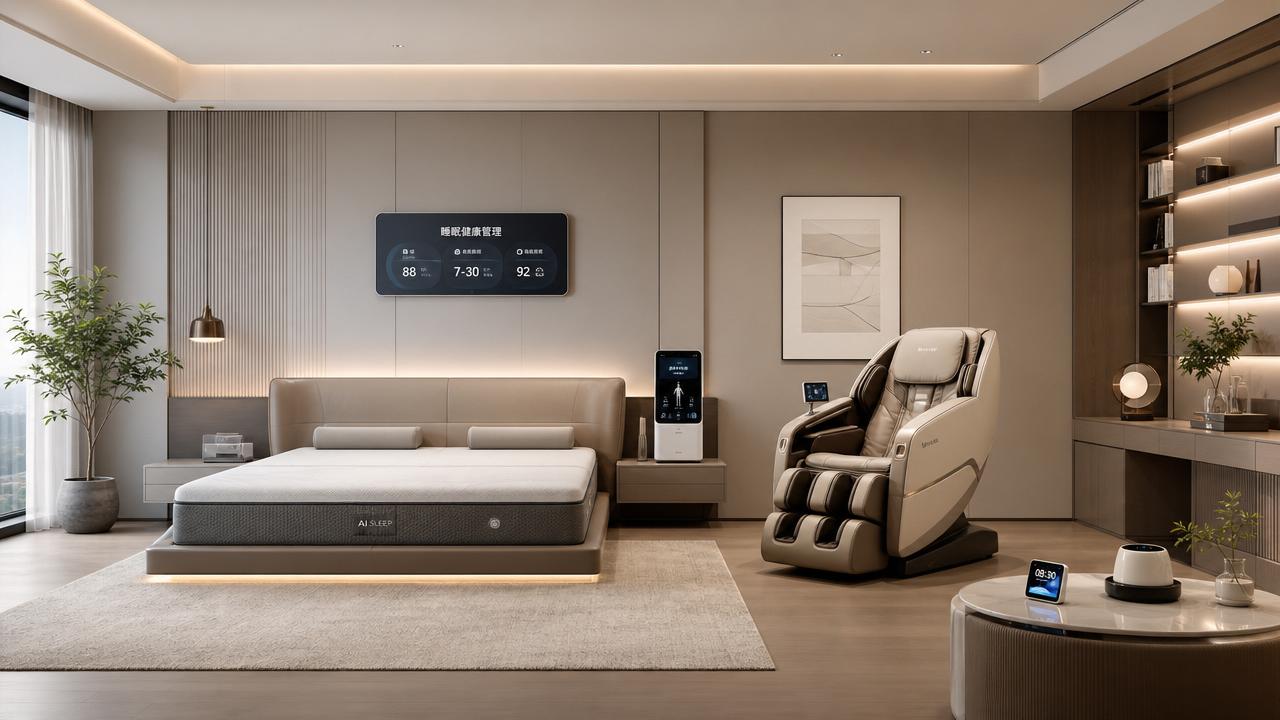
Smart health is changing home wellness from a passive routine into an active, measurable system. Living spaces now support prevention, recovery, sleep quality, posture care, and stress relief through connected devices.
For brands in modern living, smart health is not just a fast-moving category. It is a high-value scenario where algorithms, sensors, ergonomic design, and premium experience directly shape purchase decisions.
This shift matters across the broader consumer hardware market. It connects home wellness with smart cleaning, kitchen systems, mobility, and outdoor lifestyles under one shared expectation: intelligent, effortless daily support.
Why scenario-based smart health decisions now matter at home
Home wellness needs are no longer uniform. A family seeking sleep support evaluates devices differently from a remote worker managing back fatigue or an older adult monitoring recovery.
That is why smart health adoption depends on scenario fit. The same device can feel essential in one setting and unnecessary in another if sensing, comfort, and feedback do not match real routines.
CSOS tracks this shift across smart hardware categories. The strongest products combine reliable data capture, intuitive interfaces, low-power efficiency, and human-centered design that turns technical capability into lasting use.
In practical terms, smart health wins when technology disappears into the experience. Users want less friction, clearer guidance, quieter operation, and better outcomes they can actually notice every day.
Scenario 1: Sleep-focused households need quiet, passive smart health support
Sleep is one of the most powerful home wellness triggers. In this scenario, smart health devices must work quietly, passively, and consistently without demanding complex user interaction before bedtime.
Common solutions include sleep trackers, smart mattresses, wellness chairs with pre-sleep relaxation modes, and climate-linked systems that adjust temperature or humidity for comfort and overnight recovery.
Core judgment points for sleep scenarios
- Does the smart health device collect useful data without disturbing sleep?
- Are reports simple enough to drive habit changes, not just display scores?
- Is the device quiet, low-heat, and suitable for long-duration nightly use?
- Can the system connect with lighting, climate, or relaxation settings?
The most effective smart health products in this space reduce mental effort. They translate sensor output into clear actions, such as sleep timing adjustments, pressure relief recommendations, or better bedtime environmental settings.
Scenario 2: Remote work and sedentary lifestyles demand recovery-oriented smart health
Long desk hours create a different home wellness problem. Here, smart health is less about passive monitoring and more about active intervention for posture, circulation, muscle tension, and eye strain.
Massage and therapy chairs represent a strong premium example. With ergonomic scanning, 4D mechanisms, and guided routines, they turn fatigue relief into a repeatable, data-informed wellness ritual.
What makes this scenario commercially attractive
This segment supports higher perceived value because pain relief is immediate. When smart health devices visibly reduce stiffness or improve comfort, users attach stronger emotional and financial value to the experience.
It also rewards algorithm quality. Body detection accuracy, pressure mapping, motion patterns, and personalized modes can become clear product differentiators instead of hidden technical specifications.
Key fit signals for sedentary wellness devices
- Fast setup with minimal learning time
- Adaptive programs based on body shape or fatigue zone
- Comfortable materials and quiet motor systems
- Visible progress through simple recovery tracking
Scenario 3: Active households use smart health for prevention and daily performance
In active homes, smart health often supports prevention rather than treatment. Users want to maintain energy, monitor recovery, reduce overuse, and connect wellness data with movement, mobility, and outdoor activity.
This is where the wider CSOS ecosystem becomes relevant. E-bikes, portable power systems, smart kitchen appliances, and recovery devices can form one connected lifestyle around performance and convenience.
For example, a user may track heart rate and sleep, prepare high-protein meals with guided cooking systems, commute with an e-bike, and use smart recovery equipment after outdoor sessions.
Core judgment points in active wellness scenarios
- Does the smart health system integrate with movement and nutrition habits?
- Is battery life strong enough for frequent daily use?
- Can the device travel between home and outdoor settings?
- Are insights practical for training, recovery, or endurance planning?
Scenario 4: Multi-generational homes prioritize reassurance, simplicity, and safety
In multi-generational settings, smart health must balance usability with trust. Complicated dashboards, aggressive app dependence, or unclear alerts often reduce adoption even when device capability is strong.
The winning design principle is reassurance. Smart health products should feel stable, readable, and physically comfortable, while turning health signals into understandable prompts for everyday use.
Critical requirements in this home scenario
- Large, intuitive controls and clear visual feedback
- Strong electrical and battery safety compliance
- Easy maintenance and dependable daily performance
- Wellness guidance that avoids technical overload
This is also where certification matters. Safety expectations around motors, heat management, batteries, and electrical systems are not back-office issues. They directly influence premium trust in smart health categories.
How smart health needs differ across home wellness scenarios
Practical smart health adaptation strategies for stronger market fit
Smart health products perform better when scenario design starts before feature design. Instead of asking what technology can do, the better question is where home friction is strongest and most frequent.
Recommended adaptation actions
- Map one core use moment, such as bedtime, post-work fatigue, or post-exercise recovery.
- Build sensing and feedback around one visible wellness outcome.
- Reduce interface complexity and highlight one-touch operation.
- Prioritize quiet motors, thermal stability, and low-power efficiency.
- Use compliance and safety proof as part of premium positioning.
- Connect smart health with adjacent home lifestyle categories for ecosystem value.
This cross-category logic is especially important in modern living portfolios. A wellness device gains more value when it complements smart cooking, home comfort, cleaning automation, and outdoor mobility routines.
Common smart health misjudgments that weaken home wellness value
One common mistake is overvaluing data volume. More metrics do not automatically improve home wellness. If insights are hard to interpret, users disengage and the smart health promise becomes abstract.
Another error is ignoring physical experience. Even advanced smart health devices fail when touchpoints feel noisy, bulky, stiff, or visually intimidating inside the home.
A third misjudgment is treating safety as invisible. In battery-powered or motor-driven equipment, certifications, thermal control, and durability shape trust as much as app features or AI language.
Finally, some products target everyone and fit no one. Smart health adoption rises when a device clearly solves one scenario first, then expands through software, accessories, or service layers.
The next move: build smart health around real home behaviors
Smart health is reshaping home wellness because it aligns technology with daily behavior. The biggest opportunity lies in turning silent needs like fatigue, sleep loss, or recovery gaps into intuitive, trusted experiences.
For brands navigating global smart living, the right path is scenario-first development. Focus on where connected sensing, ergonomic intelligence, and low-friction design can deliver outcomes people feel immediately.
CSOS continues to observe how smart health intersects with cleaning robotics, culinary systems, micro-mobility, wellness chairs, and outdoor gear. The future belongs to devices that make healthier living feel effortless, reliable, and worth upgrading.
Related News
- Component Sourcing: How to Vet Manufacturers for Traceability and Lead TimesVetting a component sourcing manufacturer? Learn how to verify traceability, validate lead times, and use trial orders to reduce supply risks before committing.Time : Oct 27, 2026
- Sizing Micro-Power Systems for Off-Grid Rural Projects in Latin AmericaDiscover micro-power systems Latin America’s rural projects can rely on. Learn to size solar, batteries, and inverters for dependable off-grid power.Time : Oct 25, 2026
- Choosing a Micro-Mobility Systems Supplier: Safety, Fleet Integration, and SupportChoose a micro-mobility systems supplier with confidence. Discover how to assess battery safety, fleet integration, and after-sales support to reduce downtime and protect your investment.Time : Oct 24, 2026