
How to Compare Smart Home Appliances: Connectivity, Energy Use, and Daily Maintenance
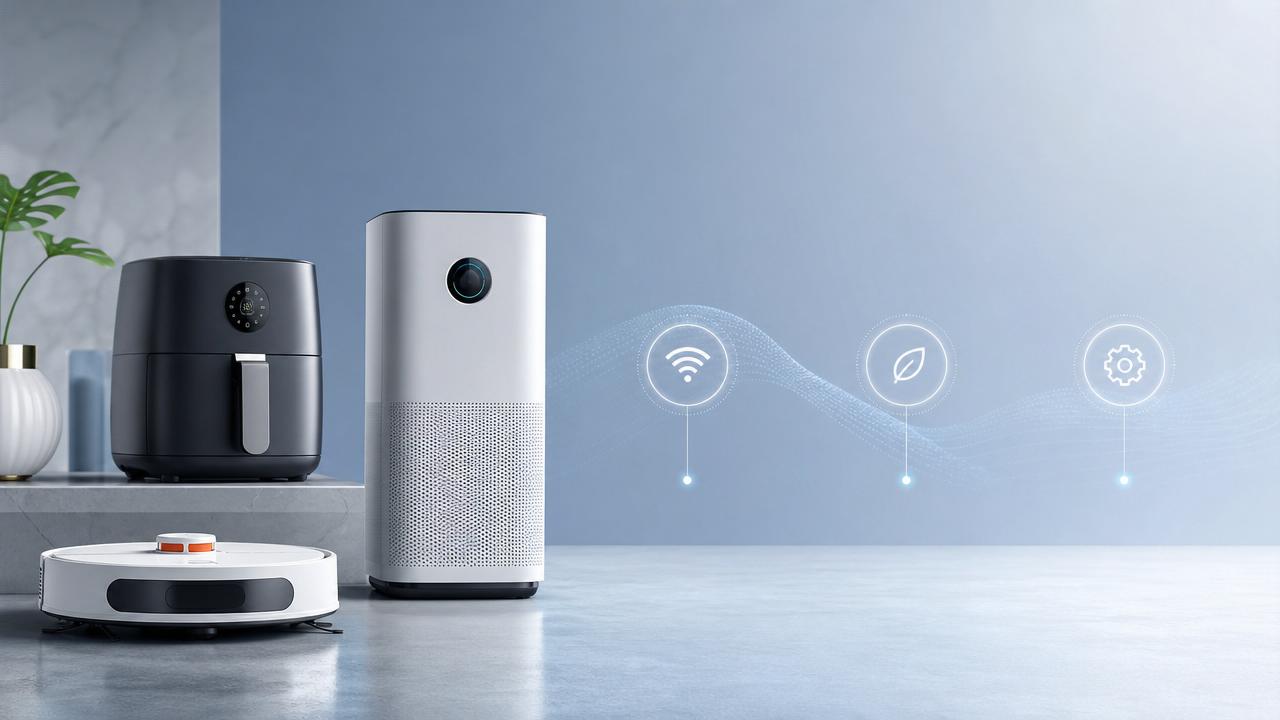
Choosing between smart home appliances is no longer a simple matter of price or design. Connected cleaning robots, app-linked kitchen tools, and adaptive wellness devices all promise convenience, but real value depends on how well they fit daily life.
That is why the best comparison starts with three practical lenses: connectivity, energy use, and daily maintenance. These factors reveal whether a product will stay useful after the first week of excitement.
Across the consumer hardware landscape, this approach matters more than ever. Platforms such as CSOS track how machine vision, micro-power systems, and user-centered design are reshaping modern living, from robot vacuums to smart culinary appliances.
Why comparison has become more complex
A decade ago, many appliances were judged by one core task. A vacuum cleaned floors. An oven heated food. Today, smart home appliances blend software, sensors, batteries, cloud services, and automation into one experience.
That shift creates better performance, but it also adds new trade-offs. A feature-rich product may look advanced on paper, yet feel frustrating if the app is unstable, the standby power is high, or the upkeep is constant.
In categories followed closely by CSOS, this pattern appears repeatedly. Smart cleaning systems now rely on LiDAR, AI vision, and auto-empty docks. Kitchen devices use precise temperature control and fluid dynamics. Buyers need a clearer framework than feature lists alone.
What smart home appliances should be judged on first
The smartest purchase is rarely the appliance with the most functions. It is usually the one that integrates smoothly, runs efficiently, and asks for manageable upkeep.
When comparing smart home appliances, three questions matter most:
- How reliably does it connect to the rest of the home?
- How much electricity, battery power, or standby energy does it consume?
- How much daily or weekly maintenance is required to keep performance consistent?
These questions work across many categories, including robot vacuums, air fryers, espresso systems, air purifiers, massage chairs, and portable energy devices used around the home.
Connectivity is about reliability, not just remote control
Connectivity often gets reduced to one marketing line: “works with an app.” In practice, good connectivity means the appliance responds consistently, updates safely, and cooperates with other devices without constant troubleshooting.
Look beyond app screenshots
A polished interface is helpful, but it is not enough. Check whether setup is simple, whether Wi-Fi reconnection is stable, and whether the appliance still works well if the internet drops.
For example, some robot cleaners perform essential navigation locally, while others lose useful functions when cloud access fails. Local intelligence usually supports a smoother long-term experience.
Ecosystem compatibility matters
The best smart home appliances do not live in isolation. They should fit common ecosystems such as Alexa, Google Home, Apple Home, or emerging interoperability standards like Matter where relevant.
That matters if routines are important. A connected coffee machine, lighting scene, and air purifier can support a morning routine only if they communicate reliably.
Security and update support deserve attention
Any connected appliance collects some level of usage data. Clear privacy settings, regular firmware support, and transparent brand policies are signs of maturity. A low-cost device with weak update support can age badly, even if the hardware seems competitive.
Energy use shapes ownership cost over time
Energy use is often underestimated because many smart home appliances feel small or efficient. Yet connected devices may draw power while active, charging, or waiting in standby.
In a market increasingly focused on lifecycle decarbonization, this is not just a utility bill issue. It also reflects design quality. Better battery management, efficient motors, and smarter control systems usually signal stronger engineering overall.
Compare active use and idle use separately
A high-powered appliance may still be efficient if it completes tasks quickly. An air fryer that cooks faster can use less total energy than a larger oven. By contrast, a device with low task power may waste energy through constant standby draw.
This is especially relevant in categories where batteries and motors define performance, including autonomous floor care and portable power-adjacent devices around the home.
Daily maintenance often determines long-term satisfaction
The most impressive smart home appliances can become irritating if routine care is overlooked during the buying stage. Daily maintenance is where many early expectations meet reality.
A robot vacuum may have excellent obstacle avoidance, yet still require frequent brush cleaning. A smart espresso machine may deliver café-level results, but only with regular descaling, milk system rinsing, and filter replacement.
Maintenance should match the claimed convenience
Automation does not eliminate upkeep. It changes where the work happens. Auto-empty docks reduce bin handling, but add maintenance for dust bags, water tanks, mop pads, and drying systems.
A good comparison asks whether the maintenance is simple, predictable, and affordable. Replacement parts, cleaning cycles, and access to consumables matter more than flashy launch features.
- Check how often filters, brushes, or seals need replacement.
- See whether water systems require drying or descaling.
- Review spare part availability before purchase.
- Look for maintenance alerts that are actually useful, not intrusive.
Different categories call for different comparisons
Not all smart home appliances should be weighed in the same way. The core framework stays useful, but the details shift by product type.
Smart cleaning appliances
Connectivity should support mapping, zoning, and scheduling without confusion. Energy use should be balanced against suction, navigation, and dock functions. Maintenance should focus on rollers, dust systems, and mop hygiene.
Smart kitchen appliances
Here, connectivity is useful when it improves presets, monitoring, or recipe guidance. Energy use matters during heating cycles. Maintenance often centers on grease, scale, food-safe surfaces, and removable parts.
Wellness and comfort devices
Massage chairs and similar systems depend on reliable control software and motor efficiency. Maintenance includes upholstery care, moving components, and long-term service access.
Seen this way, smart home appliances are less about novelty and more about how software, hardware, and routine care come together in real homes.
A practical way to compare before buying
A short decision matrix can prevent expensive mistakes. Instead of comparing ten features at once, narrow the field using daily habits and physical constraints in the home.
This method works especially well when comparing premium models that appear similar on retail pages but differ sharply in user experience after several months.
Where to focus next
The smart home category is moving toward tighter integration, more local intelligence, and more efficient power systems. That makes comparisons more technical, but also more rewarding when done carefully.
A useful next step is to shortlist two or three smart home appliances in the same category, then compare them using only the factors that affect everyday ownership. Look at connection stability, total energy behavior, and maintenance demands before reacting to feature overload.
In most cases, the better decision is not the product with the longest spec sheet. It is the one that quietly fits the home, saves effort over time, and keeps its promises after daily use begins.
Related News
- Culinary Tech Innovations in Smart Air Fryers: Which Features Actually Improve Results?Culinary tech innovations in smart air fryers: discover which features truly improve crispness, temperature accuracy, and everyday convenience before you buy.Time : Jun 18, 2026
- Precision Cooking Tech in Smart Air Fryers: Which Features Actually Improve Results?Precision cooking tech in smart air fryers: discover which features truly improve crispness, airflow, temperature control, and repeatable results before you buy.Time : Jun 17, 2026
- Modern Living Lifestyle at Home: Which Smart Appliance Upgrades Deliver Daily Value?Modern living lifestyle starts with smart upgrades that save time, cut friction, and improve comfort. Discover which home appliances deliver real daily value.Time : Jun 17, 2026