
Why smart mobility tech is reshaping urban travel
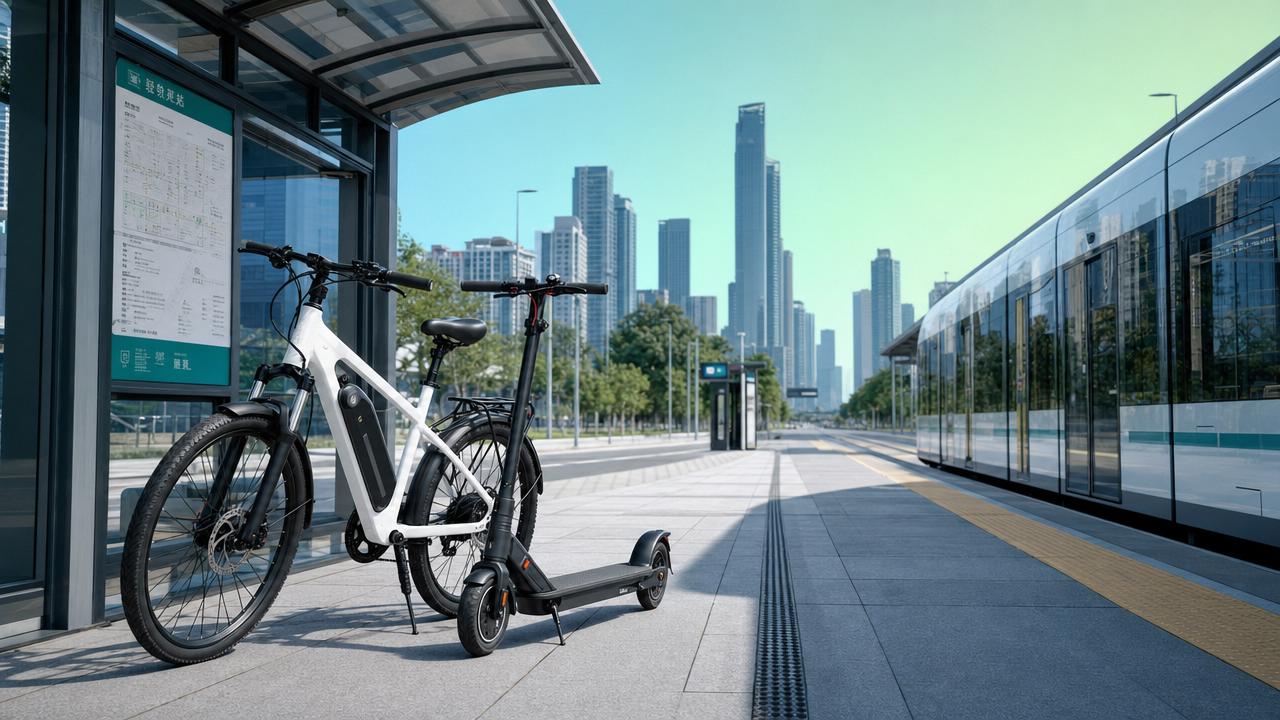
Urban travel is entering a new phase as smart mobility tech blends sensors, battery innovation, connected apps, and lightweight electric drive systems into everyday commuting.
From e-bikes that amplify each pedal stroke to scooters that reduce last-mile friction, these solutions are changing congestion, emissions, and personal freedom.
For consumer hardware observers, smart mobility tech is more than transport. It shows how data-driven products can reshape modern living at street level.
Why smart mobility tech needs a checklist mindset
Urban travel decisions were once simple. People compared cars, buses, walking distance, and parking cost.
Now the options include connected e-bikes, shared scooters, battery-swapping systems, navigation apps, cargo bikes, and multimodal payment platforms.
A checklist helps separate useful innovation from attractive hardware that fails in daily conditions.
Smart mobility tech must be judged by more than speed. Range, safety, software, serviceability, and local infrastructure matter equally.
This is especially important as micro-mobility moves from weekend novelty to dependable urban transport.
Core checklist for evaluating smart mobility tech
Use the following checklist before choosing, deploying, or comparing any smart mobility tech solution for city travel.
- Map real trip patterns before selecting hardware, including commute distance, hill grade, charging access, storage space, weather exposure, and last-mile gaps.
- Check motor assistance behavior under acceleration, slope climbing, stop-start traffic, and low-battery conditions, not only under ideal showroom testing.
- Verify battery chemistry, cycle life, thermal protection, charger quality, and compliance with relevant UL, CE, or local safety standards.
- Compare sensor packages, including torque sensors, GPS, accelerometers, brake detection, anti-theft modules, and app-based diagnostics.
- Test braking distance with rider weight, cargo load, wet pavement, downhill speed, and sudden pedestrian movement included in the scenario.
- Assess software stability by reviewing firmware updates, app permissions, route logging, remote locking, crash alerts, and data privacy controls.
- Inspect frame geometry, tire size, suspension, handlebar ergonomics, lighting coverage, and visibility from all traffic angles.
- Calculate total ownership cost, including battery replacement, brake pads, tires, insurance, accessories, repairs, subscriptions, and depreciation.
- Confirm service support through spare parts availability, warranty response time, repair documentation, and authorized maintenance coverage.
- Evaluate city compatibility by checking lane availability, parking rules, theft risk, charging points, speed limits, and public transport integration.
How smart mobility tech changes daily commuting
Daily commuting is where smart mobility tech proves its value fastest.
A torque-sensing e-bike can flatten hills without making the ride feel artificial. The rider still pedals, but fatigue drops sharply.
For short urban corridors, connected scooters remove the wait time often hidden inside bus transfers or parking searches.
Smart locks, GPS tracking, and app diagnostics also make personal mobility feel less fragile.
The biggest commuting advantage is predictability. Smart mobility tech can make a 25-minute trip stay close to 25 minutes.
Checklist for commuters
- Choose a range buffer of at least 30 percent beyond the normal round trip to cover wind, cold weather, and battery aging.
- Prioritize integrated lights, fenders, puncture-resistant tires, and stable braking before chasing maximum speed or aggressive styling.
- Store charging equipment safely, avoid damaged cables, and keep batteries away from overheated rooms or blocked ventilation.
- Plan a backup route using bike lanes, low-speed streets, or transit links when construction blocks normal travel.
Last-mile travel and multimodal mobility
The last mile is rarely one mile. It can be a broken sidewalk, a steep hill, or a poorly timed bus transfer.
Smart mobility tech solves this by connecting small electric vehicles with trains, metro systems, offices, campuses, and residential zones.
Folding e-bikes, compact scooters, and shared docking systems reduce the penalty of choosing public transport.
In dense districts, the most valuable feature is not horsepower. It is the ability to move smoothly between modes.
That makes smart mobility tech a practical bridge between mass transit and private convenience.
Last-mile decision points
- Check folded size and carry weight if the vehicle must enter elevators, trains, apartment corridors, or office storage areas.
- Confirm parking rules near stations because convenient mobility can fail when storage becomes uncertain or legally restricted.
- Use route apps that show protected lanes, elevation, traffic risk, charging points, and walking alternatives in one view.
Battery, motor, and control systems behind the shift
The visible product may be a bike or scooter. The real breakthrough sits inside the battery, motor, and control system.
Modern smart mobility tech depends on high-density cells, efficient brushless motors, compact controllers, and algorithms that read rider behavior instantly.
Torque sensors create natural assistance because they measure effort, not just wheel rotation.
Battery management systems protect cells from overcharge, over-discharge, overheating, and imbalance.
This technical stack makes electric micro-mobility quieter, lighter, and more trustworthy than earlier generations.
Technical checks that matter
- Review rated power, peak power, torque output, controller limits, and heat behavior during repeated climbs or heavy stop-start use.
- Ask how the battery pack handles vibration, water exposure, cell balancing, charging cutoffs, and fault reporting.
- Test pedal assist transitions at low speed because jerky starts can create risk in crowded crossings and narrow lanes.
Safety, regulation, and trust signals
Safety decides whether smart mobility tech becomes accepted or restricted.
Cities are tightening rules around battery charging, vehicle speed, parking, rider behavior, and sidewalk use.
Reliable products should make compliance easy through speed modes, visible lighting, strong braking, and clear maintenance alerts.
Fire risk deserves special attention. Lithium-ion systems require certified chargers, stable pack design, and responsible charging habits.
Trust also comes from transparent data handling. Connected mobility should not collect more personal location data than necessary.
Commonly ignored risks
Ignoring battery certification: A low-cost pack can erase every benefit of smart mobility tech if thermal protection and charger quality are weak.
Underestimating braking: Faster acceleration feels exciting, but stopping performance matters more in rain, traffic, and downhill streets.
Forgetting maintenance: Tires, brake pads, cables, bearings, and firmware updates decide whether electric mobility remains dependable after six months.
Overlooking theft protection: GPS is useful, but strong physical locking, removable batteries, and secure parking habits remain essential.
Accepting vague app policies: Smart mobility tech should explain data collection, sharing, deletion, and location tracking in plain language.
Different urban scenarios and the best-fit approach
Dense city centers
In dense centers, agility matters. Compact scooters and lightweight e-bikes work well when protected lanes and short trips dominate.
Smart mobility tech should emphasize braking response, lighting, pedestrian awareness, and easy parking.
Suburban commuter belts
In suburban areas, distance becomes the main challenge. E-bikes with larger batteries and comfortable geometry are usually better than small scooters.
Route planning should include mixed traffic, train station access, hills, wind exposure, and secure storage.
Campuses and business districts
Campuses need predictable fleets, geofencing, speed control, docking discipline, and repair workflows.
Shared smart mobility tech can reduce shuttle pressure when parking behavior and battery swaps are managed well.
Cargo and family errands
Cargo e-bikes extend micro-mobility from commuting into shopping, school runs, and neighborhood deliveries.
The checklist shifts toward payload rating, low-speed stability, child seating, hydraulic brakes, and battery range under weight.
Practical execution plan for better urban travel
Smart mobility tech works best when adoption starts with actual routes, not product hype.
- Record one week of travel, including distance, delays, parking time, transfer points, weather friction, and moments where a car feels unnecessary.
- Shortlist two mobility formats, such as e-bike plus transit or scooter plus walking, then test both during real commute hours.
- Create a safety baseline covering helmet use, lighting, road position, braking practice, charging habits, and theft prevention.
- Track cost per trip for one month, including energy, parking avoided, maintenance, subscriptions, and time saved.
- Review the setup quarterly, because seasonal weather, battery aging, route changes, and regulation updates can change the best choice.
This approach turns smart mobility tech from a gadget purchase into an urban travel system.
It also makes the benefits measurable, including fewer car trips, lower emissions, reduced travel stress, and better schedule control.
Summary and next action
Smart mobility tech is reshaping urban travel because it makes small vehicles intelligent, connected, efficient, and practical for daily life.
The most important decisions are not only about speed or design. They involve safety, battery quality, software reliability, infrastructure, and service support.
A checklist-based review helps reveal which solutions fit real streets, real schedules, and real maintenance needs.
Start with one route, one use case, and one measurable goal. Then choose the smart mobility tech that removes friction without adding hidden risk.
Related News
- Smart Health Explained: How Connected Devices Turn Daily Data Into Care DecisionsSmart health turns daily data from wearables and connected devices into practical care decisions. Discover how to interpret trends, improve routines, and know when to seek support.Time : Oct 12, 2026
- How to Select a Brushless Motor System for Torque, Speed, and Thermal LoadBrushless motor systems selection guide for matching torque, speed, gearing, controller limits, and thermal load to achieve reliable real-world performance.Time : Sep 25, 2026
- What Should You Do If a Smart Health Device Gives Inaccurate Readings?What should I do if a smart health device has inaccurate readings? Learn practical troubleshooting steps, safe comparison methods, and when to seek medical advice.Time : Sep 29, 2026