
What consumer tech intelligence reveals before you buy
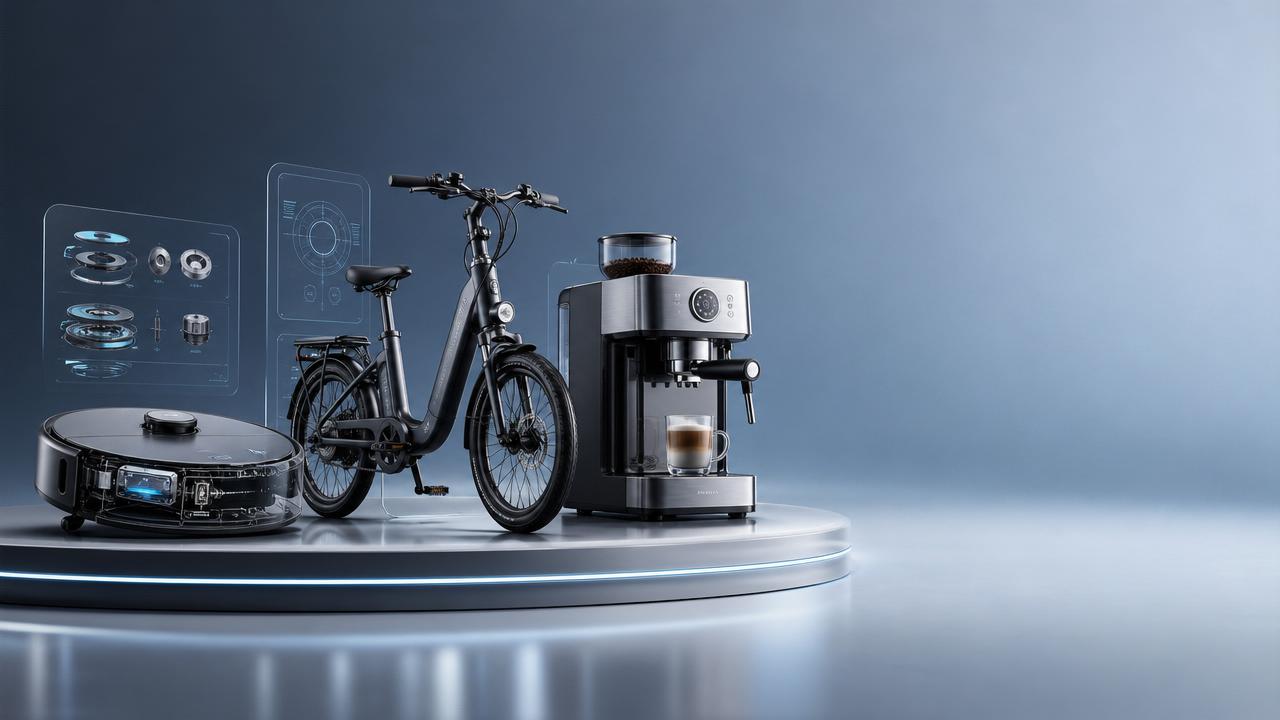
Before you commit to the next robot vacuum, e-bike, espresso system, or outdoor power station, consumer tech intelligence can reveal what spec sheets often hide: real performance, safety risks, design trade-offs, and market positioning. For information-driven buyers, CSOS connects algorithms, power systems, compliance, and user experience into clear insights that help you compare smarter, avoid costly mistakes, and choose technology that truly fits modern living.
Why consumer tech intelligence matters before any purchase
A glossy product page rarely explains how technology behaves under stress, over time, or across different living conditions.
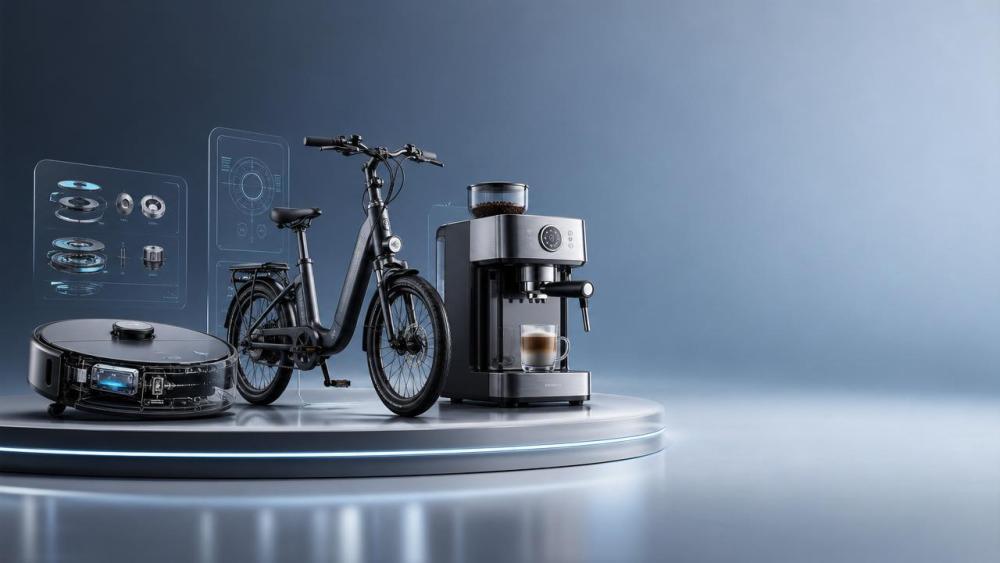
That is where consumer tech intelligence becomes useful. It turns marketing language into measurable buying signals.
In categories as different as smart cleaning, kitchen systems, micro-mobility, massage chairs, and outdoor gear, the same question appears.
Does the product deliver reliable performance, safe operation, and long-term value, or only attractive first impressions?
CSOS approaches this through intelligence stitching. It combines compliance, core components, software behavior, and actual usage scenarios.
This method is especially useful in the broader consumer hardware market, where similar designs often hide very different engineering standards.
Use this consumer tech intelligence checklist before you buy
The checklist below helps translate consumer tech intelligence into practical buying actions across multiple product categories.
- Verify the core system first. Check motor type, battery chemistry, sensing hardware, control board quality, and thermal design before comparing cosmetic features.
- Read performance claims against real conditions. Test advertised suction, range, pressure, or output against carpet, hills, dense food loads, or outdoor weather.
- Inspect the algorithm layer. Review mapping logic, torque response, temperature control, ergonomic tracking, or battery management software for consistency and recovery behavior.
- Check safety and compliance evidence. Confirm UL, CE, transport, charger, and battery protections instead of assuming every global listing meets the same standard.
- Compare maintenance burden. Measure filter swaps, brush cleaning, descaling cycles, firmware updates, tire wear, and spare part availability before deciding value.
- Map the product to your environment. Match floor type, kitchen habits, commute distance, body size, or camping power draw with the device’s real design limits.
- Review service and ecosystem strength. Study app stability, repair channels, warranty response, accessories, and regional support, especially for connected or battery-powered systems.
- Position the product in its market tier. Use consumer tech intelligence to distinguish premium engineering from rebranded commodity hardware with inflated pricing.
How the checklist applies across modern living categories
Smart cleaning appliances
For robot vacuums and mop systems, mapping quality matters more than headline suction numbers alone.
Consumer tech intelligence should examine LiDAR placement, AI obstacle recognition, edge cleaning logic, and dock automation reliability.
A model that avoids pet waste, untangles hair efficiently, and resumes after interruptions can outperform stronger but less adaptive rivals.
E-bikes and scooters
In micro-mobility, range claims often collapse when rider weight, hills, wind, or cold weather enter the picture.
Strong consumer tech intelligence focuses on torque sensors, motor placement, controller tuning, brake setup, battery certification, and water resistance.
A smoother assist curve and safer charging system usually matter more than a top-speed headline.
Kitchen appliances and cooking systems
Air fryers, espresso machines, and smart cookers succeed or fail through control accuracy and repeatability.
Use consumer tech intelligence to compare heat distribution, pressure consistency, sensor calibration, internal materials, and cleaning access.
A machine that reaches target temperature precisely and recovers quickly creates better food than one with more presets.
Massage and health therapy chairs
These products often look similar from the outside, yet comfort depends on scanning accuracy and mechanism quality.
Consumer tech intelligence should check 4D movement range, body-detection software, airbag durability, noise control, and recline stability.
Good chairs adapt pressure naturally instead of forcing every user into the same mechanical rhythm.
Outdoor camping and survival gear
Portable power stations, tents, and stoves need harder scrutiny because failure can disrupt safety as well as convenience.
Apply consumer tech intelligence to battery cycle life, inverter stability, port regulation, tent structure strength, and material resistance under wind or rain.
Field reliability matters more than polished packaging when gear must work away from easy replacement options.
Common factors buyers overlook
Software quality is hardware quality
Firmware bugs can ruin navigation, charging logic, thermal control, or assist delivery, even when physical components look premium.
Safety labels are not interchangeable
A battery-powered product sold globally may carry different certifications, charger designs, or transport restrictions by region.
Replacement economics shape true ownership cost
Brushes, filters, water tanks, tires, seals, and batteries can quietly turn a low purchase price into an expensive long-term decision.
Premium styling can mask commodity engineering
Consumer tech intelligence often exposes when multiple brands share near-identical internals but present different stories and price tags.
Practical steps to apply consumer tech intelligence
- Start with one priority metric, such as floor coverage, commuting range, brew stability, back-fit comfort, or usable watt-hours.
- Shortlist three models only, then compare sensors, battery systems, certifications, software functions, and after-sales support side by side.
- Read failure-focused reviews, not only launch praise, and look for repeated issues linked to heat, noise, app stability, or wear parts.
- Check whether accessories and consumables are easy to buy locally before choosing an ecosystem-dependent smart device.
- Use independent intelligence sources, such as CSOS, to understand design trade-offs behind claims that appear similar on retailer pages.
Conclusion: buy with clearer signals, not louder marketing
The value of consumer tech intelligence is simple. It helps separate polished messaging from durable engineering.
Across smart cleaning appliances, e-bikes, kitchen systems, massage chairs, and outdoor gear, smarter decisions come from structured comparison.
Use the checklist above to inspect core components, algorithm behavior, safety compliance, maintenance costs, and market positioning before you buy.
When product categories grow more complex, trusted consumer tech intelligence becomes a practical advantage, not just extra reading.
Begin with your real usage scenario, compare only what affects ownership, and let evidence guide the final decision.
Related News
- Smart Health Explained: How Connected Devices Turn Daily Data Into Care DecisionsSmart health turns daily data from wearables and connected devices into practical care decisions. Discover how to interpret trends, improve routines, and know when to seek support.Time : Oct 12, 2026
- How to Select a Brushless Motor System for Torque, Speed, and Thermal LoadBrushless motor systems selection guide for matching torque, speed, gearing, controller limits, and thermal load to achieve reliable real-world performance.Time : Sep 25, 2026
- What Should You Do If a Smart Health Device Gives Inaccurate Readings?What should I do if a smart health device has inaccurate readings? Learn practical troubleshooting steps, safe comparison methods, and when to seek medical advice.Time : Sep 29, 2026