
Is modern lifestyle tech making daily routines simpler?
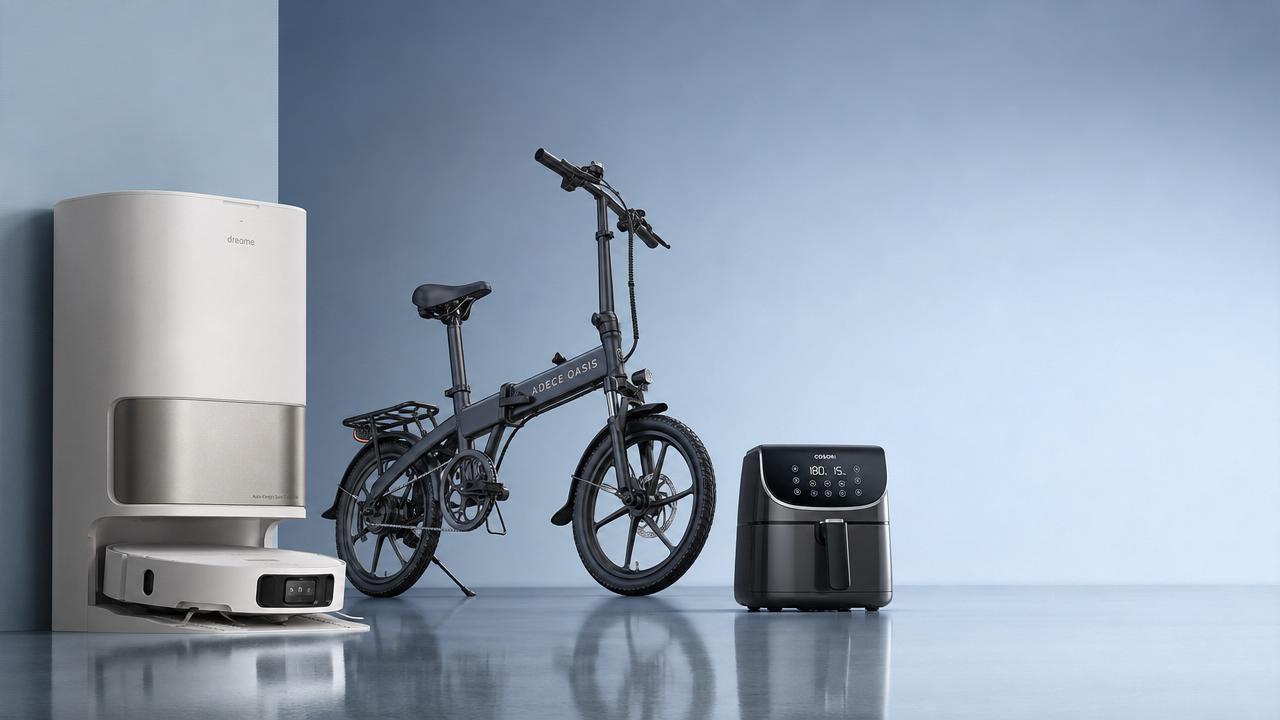
Is modern lifestyle tech truly making daily routines simpler, or just adding more devices to manage? For users and operators navigating smart cleaning robots, e-bikes, connected kitchen systems, massage chairs, and outdoor power gear, the answer depends on how well technology removes friction from real life. From AI navigation and torque-sensing motors to precision cooking controls and portable energy systems, modern lifestyle tech is reshaping chores, mobility, wellness, and escape with one goal: less effort, smarter decisions, and more time for what matters.
What does modern lifestyle tech actually simplify?
Modern lifestyle tech simplifies routines when it reduces decisions, physical effort, waiting time, and daily uncertainty.
It should not merely connect products to apps. It should turn repeated tasks into dependable automated experiences.
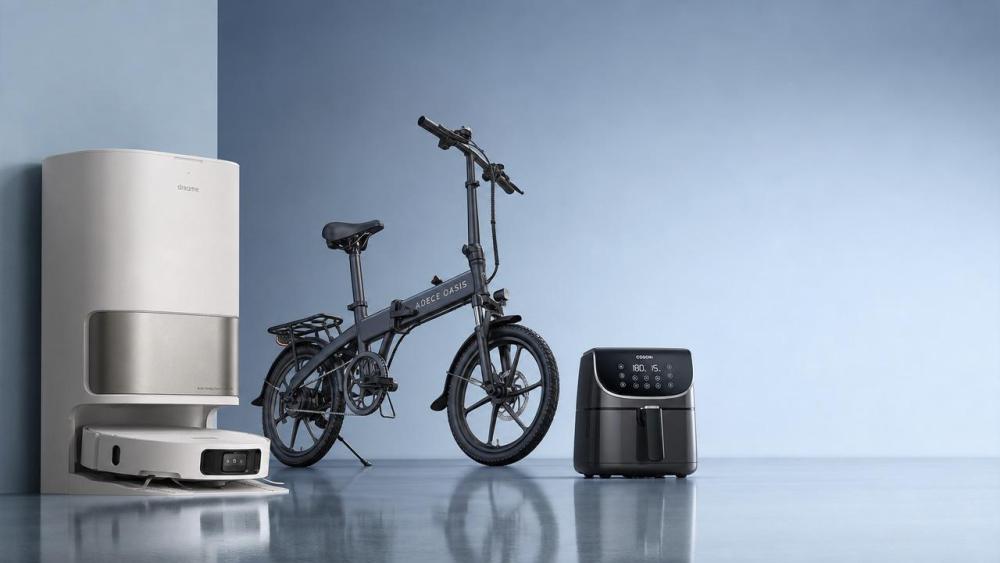
A robot vacuum is useful because it maps rooms, avoids hazards, empties dust, washes mops, and resumes cleaning without supervision.
An e-bike simplifies commuting when torque sensors provide natural assistance, making hills, headwinds, and longer routes feel manageable.
A smart cooker simplifies dinner when temperature control, airflow, and timing protect texture without constant checking.
This is the real promise of modern lifestyle tech: fewer interruptions between intention and outcome.
Which daily pain points matter most?
- Cleaning tasks that repeat daily but require little creativity.
- Commutes where fatigue, parking, and traffic waste energy.
- Cooking steps where timing mistakes cause poor results.
- Recovery routines that are skipped because setup feels inconvenient.
- Outdoor trips limited by power, shelter, lighting, or safety concerns.
When these pain points are solved, modern lifestyle tech becomes an invisible support layer.
How does modern lifestyle tech improve chores at home?
Home chores are the clearest test for modern lifestyle tech because results are visible every day.
Smart cleaning robots have moved beyond random bumping. LiDAR, AI vision, and SLAM planning create structured movement.
The best systems recognize cables, shoes, pet waste, rug edges, and room boundaries with increasing accuracy.
Auto-empty docks also matter. Dust disposal, mop washing, hot-air drying, and water refilling reduce after-cleaning maintenance.
For modern lifestyle tech to feel simple, the dock is as important as the robot itself.
What should be checked before choosing smart cleaning devices?
- Navigation accuracy in dark rooms, narrow spaces, and cluttered layouts.
- Obstacle recognition quality, especially for pets and small objects.
- Mop pressure, water control, and drying performance.
- Battery runtime for full-home coverage.
- Consumable cost, filter access, and repair availability.
A premium robot that needs constant rescue is not simple. A slightly slower robot that works reliably may save more time.
That practical reliability defines successful modern lifestyle tech in home cleaning.
Can modern lifestyle tech make mobility feel effortless?
Mobility is where modern lifestyle tech meets urban pressure, emissions rules, crowded roads, and rising fuel costs.
E-bikes and scooters simplify movement by shrinking the effort gap between short drives and active transport.
The key is not raw motor power alone. It is how naturally power arrives when the rider moves.
Torque sensors, cadence sensors, controllers, and battery management systems determine whether assistance feels smooth or awkward.
Good modern lifestyle tech feels like stronger legs, not like a machine fighting the rider.
What makes an e-bike easier to live with?
- A battery range that covers real routes, not only laboratory conditions.
- Braking systems suited to speed, rider weight, and wet roads.
- A frame geometry that supports daily comfort.
- Lighting, fenders, racks, and anti-theft features.
- Compliance with local speed, battery, and charging rules.
Safety standards are central. Lithium batteries require careful design, certification, thermal control, and charger compatibility.
Modern lifestyle tech becomes risky when price cuts weaken battery safety, wiring quality, or braking confidence.
Does modern lifestyle tech really improve cooking and wellness?
Cooking and wellness devices succeed when they reduce skill barriers without flattening personal choice.
Air fryers, smart ovens, espresso systems, and induction cookers use sensors, airflow, pressure, and temperature control.
This modern lifestyle tech helps repeat difficult outcomes: crispy textures, stable crema, even heating, and predictable timing.
However, the best kitchen systems still allow manual adjustment. Simplicity should not remove creativity.
Where does smart cooking help most?
It helps when a task has narrow margins. Steak doneness, espresso extraction, bread proofing, and oil-free frying all benefit.
Guided recipes also shorten learning curves. They are especially useful when ingredients, weight, and sequence affect results.
In wellness, massage chairs and therapy devices promise recovery through scanning, air compression, heating, and 4D mechanical movement.
Zero Gravity positioning can reduce perceived pressure, helping users relax after work, training, or long sitting periods.
Still, modern lifestyle tech should support wellness, not replace medical advice for serious pain or diagnosed conditions.
When does modern lifestyle tech become too complicated?
Modern lifestyle tech fails when every benefit requires another account, charger, app, subscription, or troubleshooting routine.
A smart home can become fragile if devices rely on unstable networks, unclear permissions, or abandoned software updates.
The warning sign is simple: the device creates new tasks faster than it removes old ones.
What risks should be considered?
Privacy also deserves attention. Cameras, microphones, maps, location logs, and health data need transparent handling.
Modern lifestyle tech should give users control over storage, deletion, sharing, and cloud dependency.
How should modern lifestyle tech be selected for real value?
The best selection method starts with routine mapping, not product hype.
List tasks that consume time, energy, attention, or money every week. Then identify where automation has measurable impact.
Modern lifestyle tech should be judged by saved effort across months, not excitement during unboxing.
A simple decision framework
Outdoor gear shows another side of modern lifestyle tech: freedom from infrastructure.
Portable power stations, efficient lights, durable tents, and titanium cooking gear make remote stays more comfortable.
Yet real planning still matters. Weather, power draw, charging cycles, and emergency redundancy should guide every setup.
FAQ: Is modern lifestyle tech worth adopting now?
So, is modern lifestyle tech making daily routines simpler? Yes, when it is designed around human friction.
The strongest products combine algorithms, motors, batteries, sensors, ergonomics, and safe industrial design into quiet usefulness.
The weakest products add dashboards, notifications, and dependency without removing real effort.
A practical next step is to audit one routine: cleaning, commuting, cooking, recovery, or outdoor preparation.
Choose one modern lifestyle tech solution only if it reduces steps, lowers stress, and remains easy after the first month.
That is where smart living becomes meaningful: not more devices, but fewer obstacles between life and the way it should feel.
Related News
- Smart Health Explained: How Connected Devices Turn Daily Data Into Care DecisionsSmart health turns daily data from wearables and connected devices into practical care decisions. Discover how to interpret trends, improve routines, and know when to seek support.Time : Oct 12, 2026
- How to Select a Brushless Motor System for Torque, Speed, and Thermal LoadBrushless motor systems selection guide for matching torque, speed, gearing, controller limits, and thermal load to achieve reliable real-world performance.Time : Sep 25, 2026
- What Should You Do If a Smart Health Device Gives Inaccurate Readings?What should I do if a smart health device has inaccurate readings? Learn practical troubleshooting steps, safe comparison methods, and when to seek medical advice.Time : Sep 29, 2026