
Which consumer tech trends will hold up after the hype
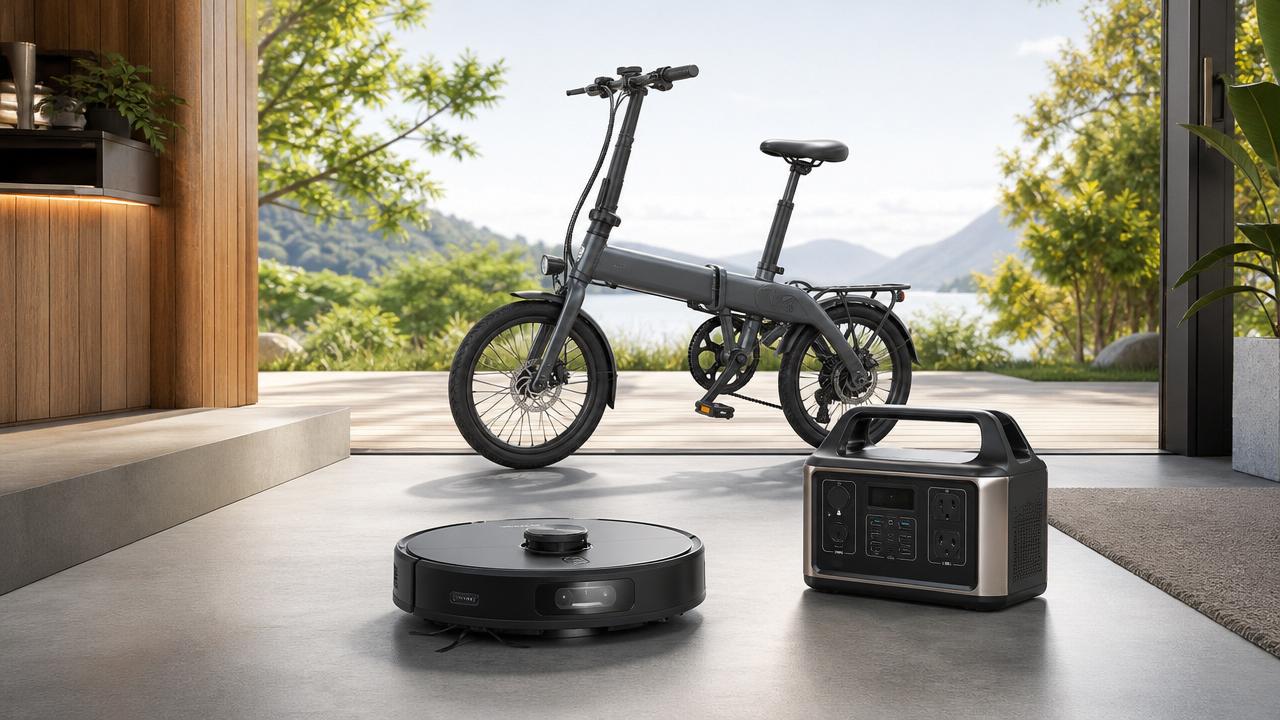
Which consumer tech trends will hold up after the hype—and which will quietly fade as margins tighten and buyers grow more selective? For business decision-makers, the answer matters now because durable demand is no longer driven by novelty alone.
The consumer tech trends most likely to endure are those tied to recurring problems, measurable convenience, regulatory readiness, and clear performance gains. In practical terms, products that save time, reduce friction, improve safety, or lower operating costs will outlast products built mainly for attention.
For brands, distributors, and investors, this means product strategy should shift from “what is trending” to “what stays useful when advertising cools, comparison shopping rises, and channel partners demand predictable sell-through.” That is where long-term category winners are being defined.
What decision-makers really need to know about post-hype consumer tech trends
The core search intent behind this topic is not simply to list hot gadgets. Business readers want a filter for separating durable demand from short-lived excitement, so they can allocate budget, inventory, R&D, and channel resources more intelligently.
They also want to know which signals indicate staying power. Those signals usually include repeat usage, strong unit economics, compliance feasibility, ecosystem compatibility, lower return rates, and clear consumer outcomes that can be demonstrated in marketing without overpromising.
In other words, the real question is this: which consumer tech trends can support sustainable growth after the initial wave of hype fades? The answer depends less on buzz and more on utility density, technical maturity, and market fit.
Why utility is replacing novelty as the real growth engine
Across consumer hardware, buyers have become more disciplined. Inflation pressure, slower replacement cycles, and stronger product comparison behavior mean consumers increasingly reward products that solve real daily problems instead of showcasing features they rarely use.
This shift strongly favors practical categories such as robotic cleaning, assisted micro-mobility, smarter kitchen systems, health-oriented recovery devices, and outdoor energy gear. Each of these addresses a repeatable need rather than a one-time curiosity.
For executives, this is an important planning lens. If a product makes housework easier, commuting lighter, cooking more consistent, recovery more effective, or outdoor use more reliable, it has a better chance of sustaining demand across economic cycles.
The broader lesson is simple: durable consumer tech trends tend to become habits. Hype creates trial, but habit creates retention, referrals, and category resilience. That distinction should guide portfolio decisions more than social media visibility alone.
Smart cleaning will keep winning because it delivers visible labor savings
Among the most durable consumer tech trends, smart cleaning appliances remain especially strong because the value proposition is immediate. Consumers can see whether navigation is smarter, obstacle avoidance is more precise, and maintenance is genuinely reduced.
Robotic vacuums and mop systems have moved beyond basic automation. LiDAR mapping, AI vision, self-emptying bases, mop washing, hot-air drying, and auto-refill functions now create a more complete workflow that removes meaningful household friction.
That matters commercially because products with obvious labor-saving outcomes are easier to position, easier to review, and easier to justify at premium price points. Buyers do not need education on why less cleaning effort is valuable.
For business decision-makers, the key is to distinguish feature inflation from workflow completion. Consumers will pay for systems that reliably finish the job with minimal intervention, but not indefinitely for isolated features that do not improve outcomes.
The companies most likely to win here are those combining algorithmic competence, hardware reliability, and manageable after-sales service. In this category, trust is earned through performance consistency, not through headline specifications alone.
E-bikes and scooters have staying power, but regulation and service will decide winners
Micro-mobility remains one of the strongest consumer tech trends because it sits at the intersection of cost efficiency, urban congestion, sustainability goals, and lifestyle flexibility. But long-term demand does not automatically mean every player will thrive.
E-bikes in particular solve a recurring transportation problem. They reduce commuting friction, extend rider range, and appeal to both utility users and recreational users. That broad use case gives the category a durability many trend-driven devices lack.
However, this market is becoming stricter. Battery safety, transport compliance, warranty handling, and local service support increasingly shape brand credibility. A sleek design and strong ad campaign are not enough if certification or failure rates become concerns.
For executives, the test is whether a product platform can scale responsibly across regions. Mid-drive systems, torque sensors, battery management systems, and frame durability all matter, but so do UL or CE pathways, spare parts logistics, and dealer or DTC service models.
The implication is clear: micro-mobility will hold up after the hype, but value will consolidate around brands that can combine riding experience, compliance readiness, and lifecycle support. This is no longer a pure growth-at-all-costs category.
Connected kitchen appliances will endure when they improve outcomes, not just interfaces
Not every smart kitchen device deserves long-term confidence. The part of the category likely to hold up is where technology produces better taste, consistency, speed, health outcomes, or ease of use for ordinary households.
Air fryers, precision coffee systems, multifunction cooking devices, and temperature-controlled appliances remain relevant because they turn technical control into everyday results. Crispy texture, repeatable espresso extraction, or reduced oil use are tangible consumer benefits.
By contrast, weakly differentiated connected features can lose appeal quickly. If app control adds little beyond novelty, consumers may not keep using it. Decision-makers should be careful not to confuse connectivity with lasting value creation.
The strongest kitchen product strategies tend to combine hardware performance, intuitive controls, and limited but meaningful software layers. People want better meals with less uncertainty, not an unnecessarily complicated digital cooking environment.
For brand builders, this means messaging should focus on result quality and time savings. In kitchen tech, the post-hype winners will be the brands that translate engineering into confidence, convenience, and repeatable satisfaction.
Health, recovery, and massage tech can last if trust and efficacy stay central
Consumer interest in wellness hardware continues to expand, but the durable segment is not the broadest one. It is the part that can credibly support relaxation, recovery, posture relief, or daily comfort without making exaggerated claims.
Massage chairs, percussion devices, and related recovery products benefit from a strong macro theme: people are spending more on home-based health support. Yet this category is highly vulnerable to trust erosion if performance feels generic or claims feel inflated.
Products that use better ergonomic scanning, refined motor control, and more personalized treatment modes are more likely to retain pricing power. Consumers notice comfort, noise, fit, and long-session usability more than marketing language suggests.
From a business perspective, this category rewards brands that treat design, safety, and user reassurance as core value drivers. Retailers and DTC operators should prioritize demonstration clarity, evidence-backed positioning, and return-risk management.
In short, wellness tech can remain one of the more resilient consumer tech trends, but only when efficacy is experienced rather than merely promised. That distinction will separate premium survivors from short-term entrants.
Outdoor power and premium camping gear benefit from lifestyle permanence
Outdoor consumer tech has moved beyond a temporary escape trend. Portable power stations, advanced shelters, efficient cooking systems, and ruggedized accessories increasingly reflect a lasting blend of recreation, preparedness, and flexible living.
This category holds up because it serves more than one scenario. A portable power station can support camping, remote work, backup home use, and emergency readiness. That multi-context utility improves purchase justification and extends relevance.
Likewise, premium tents, compact stoves, and durable outdoor systems appeal to consumers who value comfort without giving up performance. As outdoor lifestyles mature, buyers often trade up from entry products to gear with better materials and reliability.
For business leaders, the opportunity is attractive, but so is the responsibility. Safety standards, battery transport rules, weather resistance claims, and honest runtime communication all matter. Overstatement can damage both reputation and channel relationships.
The durable winners in outdoor tech will be brands that combine engineering integrity with credible use-case storytelling. This is especially true in DTC environments, where community trust can amplify or undermine growth very quickly.
Which consumer tech trends are more vulnerable to fading
The weaker consumer tech trends tend to share a pattern. They depend on spectacle, narrow scenarios, fragile economics, or features that are difficult for average users to notice after the first few weeks of ownership.
Products are especially vulnerable when their main selling point is a software layer without meaningful hardware improvement, or when they require major behavior change for relatively small consumer benefit. In those cases, retention often weakens quickly.
Another risk factor is ecosystem isolation. Devices that do not integrate with daily routines, common platforms, or practical maintenance systems can generate initial curiosity but struggle to become indispensable. This is often where hype-driven launches lose momentum.
Decision-makers should also watch categories where aggressive discounting becomes the main conversion mechanism. Heavy reliance on promotions may indicate that the product is not creating enough standalone value to maintain demand under normal margin conditions.
How to evaluate whether a trend has real staying power
For enterprise teams, a useful framework is to score each category or product idea across five dimensions: frequency of use, clarity of value, technical defensibility, compliance complexity, and after-sales burden.
First, ask whether the product solves a problem that recurs weekly or even daily. High-frequency use cases generally support stronger retention and word-of-mouth. Second, test whether the value proposition can be explained in one sentence without industry jargon.
Third, evaluate whether the product’s advantages are difficult to copy. Strong algorithms, battery systems, motion control, materials engineering, or ergonomic design can create defensible differentiation. Fourth, map compliance requirements before scaling channel ambitions.
Finally, estimate the true operational load after the sale. Categories with high support complexity can still succeed, but only if margins, spare parts strategy, and service systems are designed accordingly. Many promising consumer tech trends fail at this stage.
This framework helps leaders move from trend watching to disciplined decision-making. It also makes cross-functional alignment easier between product, operations, compliance, finance, and go-to-market teams.
What this means for product strategy, channel planning, and brand positioning
If you operate in consumer hardware, the most important strategic shift is to invest where utility compounds. Categories that reduce labor, increase mobility, improve food outcomes, support recovery, or enable reliable outdoor autonomy are better positioned for durable demand.
In product strategy, that means prioritizing complete user outcomes over feature abundance. In channel planning, it means choosing markets and partners that can support service, education, and compliance. In branding, it means credibility should outperform hype.
For DTC-oriented businesses, post-hype resilience also depends on content quality and expectation management. Clear demonstrations, real comparisons, and transparent ownership costs are now more effective than broad aspirational messaging alone.
The brands most likely to win the next phase of consumer tech are not necessarily those that launch the loudest. They are the ones that understand where technology becomes habit, where engineering becomes trust, and where convenience becomes repeat purchase behavior.
Conclusion: durable consumer tech trends are built on usefulness, not excitement alone
The consumer tech trends most likely to hold up after the hype are those rooted in repeatable human needs: cleaner homes, easier movement, better cooking, practical wellness, and more capable outdoor living. These are not passing curiosities; they are everyday problems with improving technical solutions.
For business decision-makers, the winning move is to back categories where utility is obvious, compliance is manageable, performance is defensible, and customer satisfaction can survive beyond launch momentum. That is where long-term margin quality is most likely to be found.
As the market matures, durable growth will belong to brands that align advanced engineering with real-world value. In the next chapter of consumer hardware, usefulness is not the opposite of innovation. It is the clearest proof that innovation matters.
Related News
- DTC Brand Globalization: How to Choose the Right Market Entry Model and BudgetDTC brand globalization starts with the right market entry model. Learn how to compare channels, control compliance costs, and build a smarter expansion budget for scalable growth.Time : Jun 20, 2026
- Consumer Tech Trends Shaping Small Appliance Demand and DTC Sales ChannelsConsumer tech trends are reshaping small appliance demand through smarter design, premium convenience, and stronger DTC sales channels. Discover what drives growth and conversion.Time : Jun 19, 2026
- What Drives Consumer Hardware Intelligence Costs in DTC Products and Feature Planning?Consumer hardware intelligence drives DTC product costs through sensors, compute, safety, and service. Discover which smart features truly improve margins, pricing power, and roadmap decisions.Time : Jun 12, 2026