
How hardware globalization insights change sourcing risk
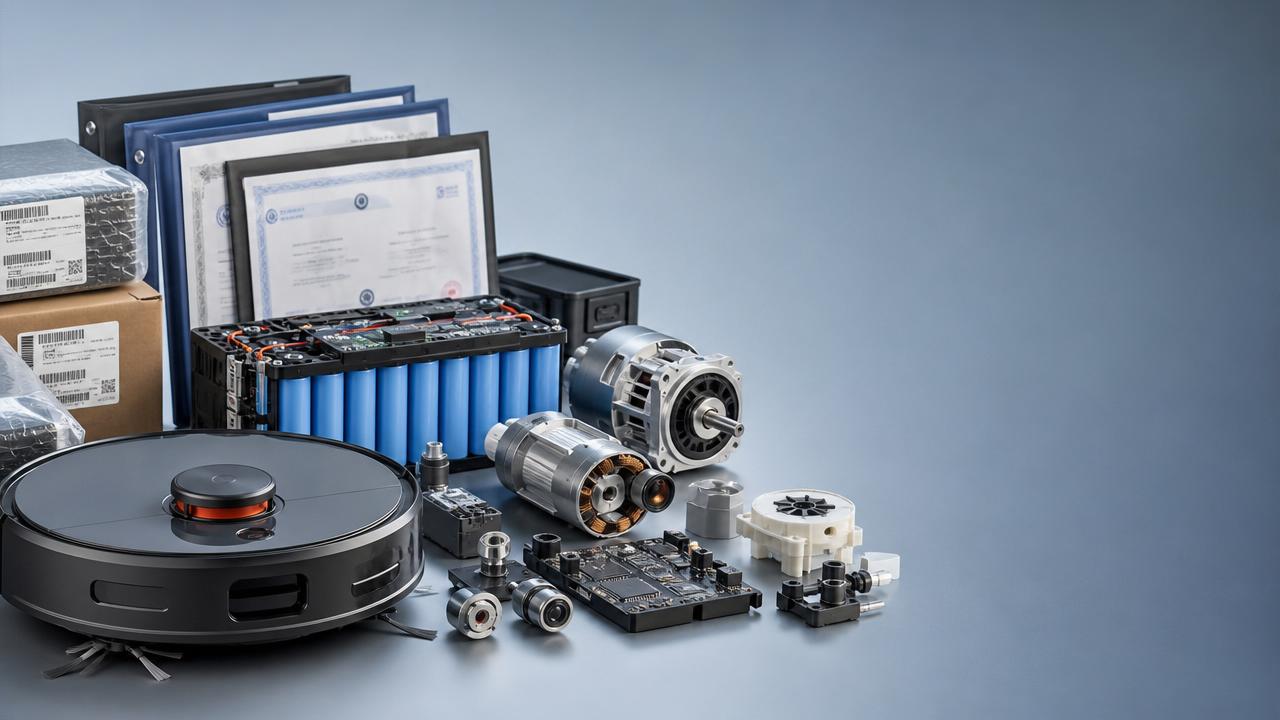
For procurement teams navigating volatile supply chains, hardware globalization insights can turn uncertainty into strategic advantage.
From smart cleaning robots and e-bikes to kitchen systems and outdoor gear, sourcing now demands deeper visibility across markets, compliance, and supplier ecosystems.
This article explains how hardware globalization insights reduce sourcing risk, improve supplier decisions, and support stronger long-term competitiveness in consumer hardware.
What do hardware globalization insights actually mean in sourcing?
Hardware globalization insights refer to actionable intelligence about how products, parts, rules, and markets interact across borders.
They go beyond price checks or factory lists.
They combine supplier capacity, certification trends, logistics exposure, component concentration, after-sales requirements, and changing DTC demand signals.
In consumer hardware, this matters because products are cross-disciplinary.
A robot vacuum may depend on LiDAR modules, brushless motors, battery packs, firmware updates, plastics, sensors, and regional electrical standards.
An e-bike adds battery transport rules, motor reliability, torque sensor consistency, and road-use compliance.
Without hardware globalization insights, a sourcing decision may look efficient on paper but fail during launch, customs clearance, or warranty service.
With better intelligence, sourcing shifts from reactive buying to structured risk management.
Why this definition matters now
Global hardware supply chains are no longer stable linear systems.
They are dynamic networks shaped by geopolitics, safety rules, freight volatility, platform policy, and fast-changing consumer expectations.
That is why hardware globalization insights are becoming a core sourcing input rather than a nice-to-have research layer.
How do hardware globalization insights change sourcing risk in practical terms?
They change risk by revealing hidden dependencies before orders are placed.
This affects cost, lead time, compliance exposure, and brand reputation.
1. They expose single-point component risk
Many smart devices rely on a narrow pool of battery cells, chips, sensors, or motor controllers.
Hardware globalization insights identify where one subcomponent could delay an entire product family.
2. They reveal certification bottlenecks
UL, CE, RoHS, REACH, UN38.3, and market-specific battery requirements can disrupt shipments if documentation is weak.
Insight into regional standards helps prevent late redesigns and blocked inventory.
3. They improve total landed cost analysis
A low ex-factory quote may hide expensive packaging adjustments, test failures, spare-part shortages, or return handling problems.
Hardware globalization insights connect sourcing price with real operating cost.
4. They strengthen continuity planning
Alternative country sourcing, dual-tooling, and second-source validation become easier when market intelligence is continuously updated.
In short, hardware globalization insights do not remove uncertainty.
They make uncertainty visible, comparable, and manageable.
Which risk signals should be checked before selecting a hardware supplier?
The most useful signals combine factory-level facts with market-level context.
Looking at only one side creates blind spots.
- Component origin concentration and backup availability
- Battery and electronics certification status by destination market
- Firmware maintenance ability and field failure response speed
- Production yield consistency across pilot and mass orders
- Packaging suitability for cross-border parcel or pallet shipping
- Spare-parts planning for motors, boards, sensors, and wearable components
- Quality traceability for serial numbers, cells, and safety-critical assemblies
- Past customs, safety, or recall issues in major export regions
For CSOS-tracked categories, risk signals vary by product architecture.
Robot vacuums need strong sensing, navigation, and after-sales parts support.
E-bikes need battery compliance and transport readiness.
Kitchen systems need food-contact safety, heating durability, and regional voltage adaptation.
Outdoor power gear needs cell stability, enclosure safety, and weather resistance.
Quick risk comparison table
How can buyers compare low-cost sourcing with resilient sourcing?
The cheapest quote is not always the lowest-risk choice.
Hardware globalization insights help compare short-term savings with long-term resilience.
Low-cost sourcing often focuses on:
- Unit price only
- Single supplier dependence
- Minimal inventory strategy
- Basic compliance document review
Resilient sourcing usually includes:
- Multi-layer cost review including warranty and returns
- Second-source mapping for critical components
- Forward-looking compliance and labeling checks
- Regional demand alignment with DTC channel realities
This comparison matters especially in premium consumer hardware.
A failed battery pack, delayed sensor module, or poor repair experience can destroy margin faster than a higher initial quote.
Hardware globalization insights make resilient sourcing measurable instead of intuitive.
What mistakes weaken sourcing decisions despite having market data?
Many teams collect data but still miss the real exposure.
The problem is often interpretation, not access.
Common mistakes include:
- Treating compliance as a final checkpoint rather than an early sourcing filter.
- Assuming assembly factories fully control sub-suppliers and test consistency.
- Ignoring firmware support and field service readiness.
- Using historical freight assumptions in a changed trade environment.
- Comparing suppliers without normalizing quality, tooling, and warranty scope.
Another mistake is separating sourcing from market strategy.
If a product is sold through DTC channels, packaging, returnability, spare-part support, and social proof cycles affect sourcing requirements.
That is where hardware globalization insights become especially useful.
They connect upstream manufacturing realities with downstream commercial performance.
How should a sourcing workflow use hardware globalization insights step by step?
A practical workflow should translate intelligence into decisions, not just reports.
Suggested sequence
- Define the product architecture and identify safety-critical parts.
- Map regulatory requirements for each target market.
- Check component concentration and substitute feasibility.
- Audit supplier process stability, traceability, and firmware support.
- Model landed cost under normal and stressed logistics conditions.
- Build contingency plans for batteries, chips, sensors, and service parts.
- Review DTC fulfillment, returns, and overseas warehouse implications.
This process is highly relevant for CSOS-covered sectors.
Products in smart living and outdoor mobility blend software, power systems, precision mechanics, and international compliance.
That complexity makes hardware globalization insights a repeatable discipline rather than a one-time study.
FAQ summary table
Hardware globalization insights are changing sourcing risk because hardware itself has become more connected, regulated, and market-sensitive.
In categories such as cleaning robots, e-bikes, kitchen appliances, massage systems, and outdoor gear, small hidden gaps can create outsized disruption.
The strongest sourcing decisions now combine compliance foresight, component visibility, supplier resilience, and DTC channel understanding.
Use hardware globalization insights as a living decision framework.
Review risk signals regularly, update supplier assumptions, and align sourcing with real market conditions before expansion or launch.
Related News
- Component Sourcing: How to Vet Manufacturers for Traceability and Lead TimesVetting a component sourcing manufacturer? Learn how to verify traceability, validate lead times, and use trial orders to reduce supply risks before committing.Time : Oct 27, 2026
- Sizing Micro-Power Systems for Off-Grid Rural Projects in Latin AmericaDiscover micro-power systems Latin America’s rural projects can rely on. Learn to size solar, batteries, and inverters for dependable off-grid power.Time : Oct 25, 2026
- Choosing a Micro-Mobility Systems Supplier: Safety, Fleet Integration, and SupportChoose a micro-mobility systems supplier with confidence. Discover how to assess battery safety, fleet integration, and after-sales support to reduce downtime and protect your investment.Time : Oct 24, 2026